48.2495°, 7.3445°
Location: Nestled in the picturesque Alsace region near Orschwiller, France, Château du Haut-Kœnigsbourg offers travelers a captivating glimpse into medieval history combined with stunning natural vistas.
Best For: History Enthusiasts, Nature Lovers, Families with Children, Dog-Friendly
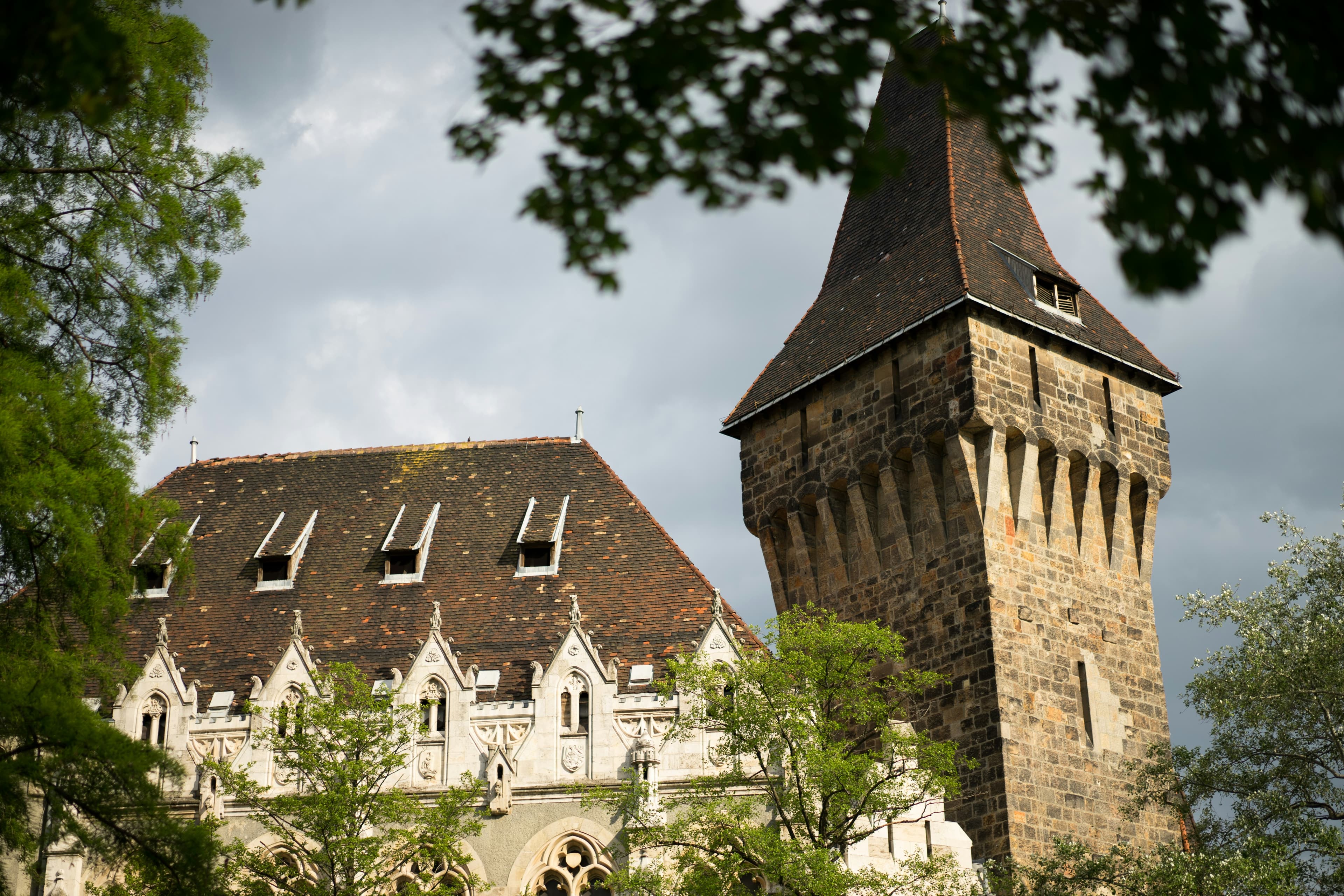
Why It's a Great Detour: This beautifully restored 12th-century fortress stands proudly atop a hill, providing sweeping panoramic views of the Vosges mountains and the Rhine valley. Its rich history, impressive architecture, and scenic surroundings make it a unique stop that enriches any European road trip.
Key Activities: Visitors can explore the castle’s fortified walls, towers, and period rooms, enjoy guided tours that bring medieval life to the forefront, and hike the surrounding trails that offer breathtaking views. The onsite café serves Alsatian specialties, perfect for foodies looking to savor local flavors.
Kid-Friendly Focus: The castle’s interactive exhibits and spacious grounds make it engaging for children, though younger kids may require supervision on some steep staircases. It’s an educational and adventurous outing suitable for families.
Dog-Friendly Notes: Dogs are welcome on the outdoor trails and castle grounds but must be kept on a leash. This makes it a pleasant detour for travelers with pets who enjoy nature and history alike.
Preparing location map
Château du Haut-Kœnigsbourg stands as a testament to the rich tapestry of European medieval history. Originally constructed in the 12th century, this fortress has witnessed the ebb and flow of empires, wars, and cultural shifts. Its strategic location atop a hill in the Alsace region made it a coveted stronghold for various noble families and rulers, including the Hohenstaufens and the Habsburgs. The castle's architecture reflects the evolution of defensive structures over centuries, with its robust walls, towering turrets, and intricate stonework that speak to the craftsmanship of the medieval era.
The fortress underwent significant restoration in the early 20th century under the direction of German Emperor Wilhelm II, who sought to revive its former glory. This restoration aimed to preserve its historical integrity while showcasing the grandeur of medieval architecture. The castle's interiors are adorned with period furnishings, tapestries, and weaponry, offering a glimpse into the lives of its past inhabitants. Its cultural significance is further underscored by its role as a symbol of Franco-German history, embodying the complex relationship between the two nations.
Notable historical figures have left their mark on Château du Haut-Kœnigsbourg. The castle's strategic importance during the Thirty Years' War and its subsequent abandonment highlight its role in European conflicts. Today, it stands not only as a monument to the past but also as a cultural heritage site that attracts visitors from around the world, eager to explore its storied halls and learn about the events that shaped its history.
Visitors to Château du Haut-Kœnigsbourg are treated to a journey through time as they explore its many attractions. The castle's fortified walls and imposing towers offer a sense of the formidable defenses that once protected its inhabitants. Inside, the grand halls and period rooms are meticulously restored, providing an immersive experience that brings medieval life to the forefront. The armory, with its collection of ancient weapons and armor, is a particular highlight for history enthusiasts.
The panoramic views from the castle are nothing short of breathtaking. From its vantage point, visitors can gaze upon the rolling Vosges mountains and the expansive Rhine valley, making it a photographer's paradise. Each season offers a unique perspective, from the lush greenery of spring and summer to the vibrant hues of autumn and the serene beauty of winter. The best times to visit are during the spring and fall when the weather is mild, and the landscape is at its most picturesque.
Unique features such as the drawbridge, the keep, and the bastion provide insight into the castle's defensive mechanisms. Guided tours are available, offering detailed narratives that enrich the visitor experience. These tours are particularly engaging for families, as they include interactive elements that captivate children and adults alike. Whether exploring on your own or with a guide, the castle promises an unforgettable adventure.
Château du Haut-Kœnigsbourg is easily accessible from nearby towns such as Orschwiller and Sélestat. Visitors typically spend two to three hours exploring the castle and its grounds. The site is well-signposted, and ample parking is available for those traveling by car. For those relying on public transport, shuttle services operate from Sélestat, making it a convenient day trip.
The castle is family-friendly, with spacious grounds that allow children to explore safely. However, parents should be mindful of steep staircases and uneven surfaces that may require supervision. The interactive exhibits and educational programs are designed to engage young minds, making it an ideal destination for families seeking both fun and learning.
Pet owners will be pleased to know that dogs are welcome on the outdoor trails and castle grounds, provided they are kept on a leash. This pet-friendly policy allows travelers to enjoy the natural beauty of the area with their furry companions. Onsite facilities include restrooms, a gift shop, and a café serving local specialties, ensuring a comfortable visit for all.
The Alsace region is renowned for its rich culinary heritage, and a visit to Château du Haut-Kœnigsbourg offers a taste of local flavors. The onsite café serves traditional Alsatian dishes such as tarte flambée, choucroute garnie, and kougelhopf, providing a delightful culinary experience. Pair your meal with a glass of local wine, as Alsace is famous for its vineyards and distinctive varietals like Riesling and Gewürztraminer.
Cultural traditions in the region are deeply rooted in both French and German influences, reflecting its historical ties to both countries. Visitors may encounter local festivals celebrating these traditions, such as the Fête de la Musique in June or the Christmas markets in nearby towns, which showcase the region's festive spirit and artisanal crafts.
For those interested in shopping, the nearby villages offer opportunities to purchase local products, including handcrafted pottery, textiles, and gourmet foods. These items make for unique souvenirs that capture the essence of Alsace's cultural and gastronomic richness.
When planning a visit to Château du Haut-Kœnigsbourg, consider the various transportation options available. While driving offers the most flexibility, public transport is a viable alternative, with regular train services to Sélestat and shuttle buses to the castle. Parking is available onsite, but it can fill up quickly during peak seasons, so arriving early is advisable.
Booking tickets in advance is recommended, especially during the busy summer months and holiday periods. This ensures entry and allows visitors to plan their day more efficiently. Comfortable footwear is essential, as exploring the castle involves walking on uneven surfaces and climbing stairs. Dressing in layers is also advisable, as the weather can change quickly in the mountainous region.
Insider tips for the best experience include visiting early in the morning or late in the afternoon to avoid crowds and capture the best light for photography. Taking a guided tour can enhance your understanding of the castle's history and architecture, providing context that enriches the visit. Finally, don't forget to explore the surrounding trails, which offer additional viewpoints and a chance to immerse yourself in the natural beauty of the Vosges mountains.
