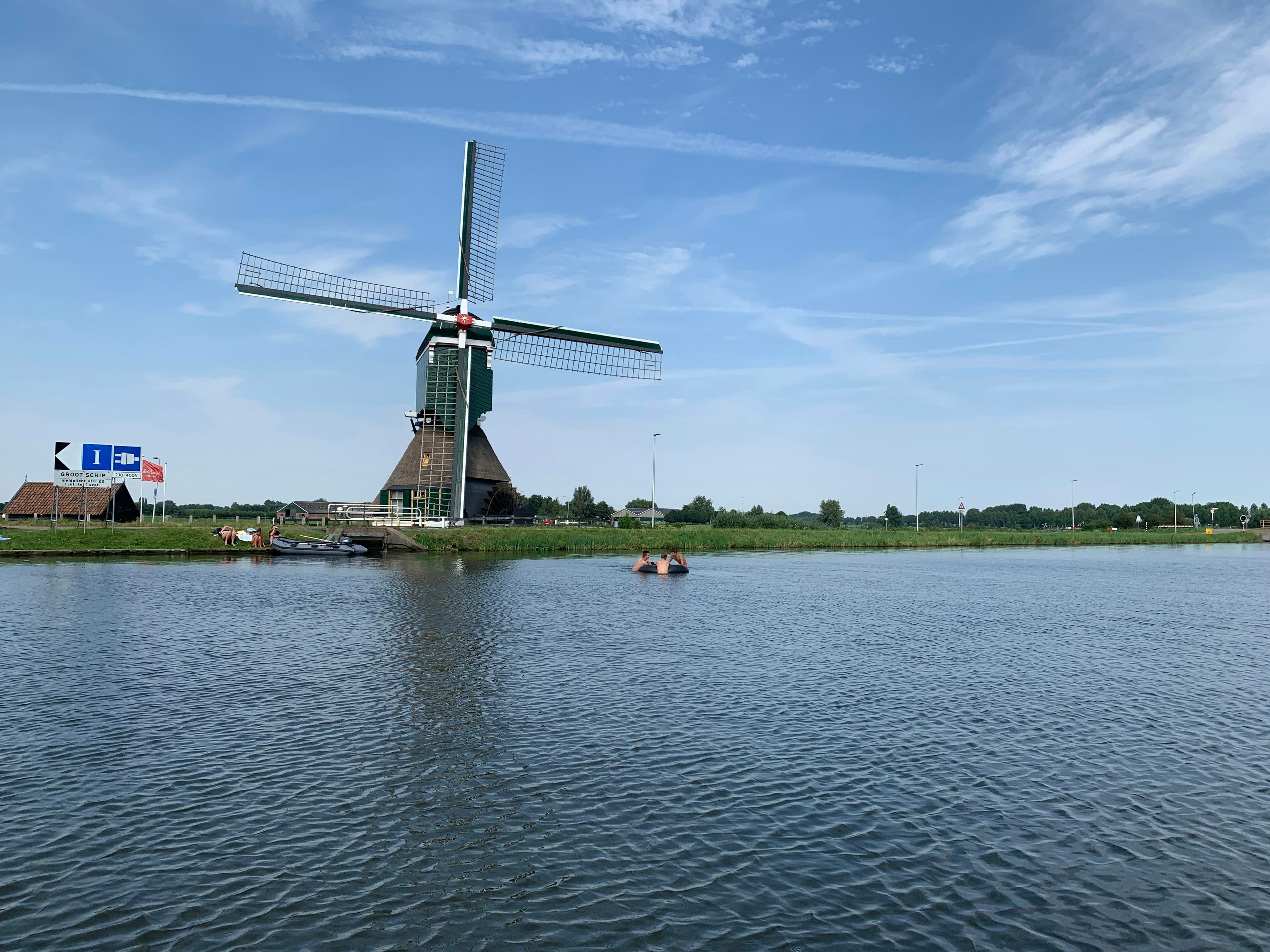
Embarking on a journey from Leeuwarden, the vibrant capital of Friesland in the northern Netherlands, to the sun-kissed shores of Dubrovnik in Croatia is an adventure that weaves through a tapestry of diverse landscapes, rich history, and captivating cultures. Starting in the flat, water-laced terrain of Friesland, known for its iconic windmills, expansive polders, and serene lakes, travelers will experience the quintessential Dutch countryside. As you head southeast, the route transitions through the rolling hills and fertile plains of Germany, where the Rhine and Danube rivers have long served as vital arteries for trade and cultural exchange since Roman times. Passing through historic cities like Cologne and Munich, you'll encounter architectural marvels ranging from Gothic cathedrals to Baroque palaces, each echoing centuries of European history.
Embarking on a journey from Leeuwarden, the vibrant capital of Friesland in the northern Netherlands, to the sun-kissed shores of Dubrovnik in Croatia is an adventure that weaves through a tapestry of diverse landscapes, rich history, and captivating cultures. Starting in the flat, water-laced terrain of Friesland, known for its iconic windmills, expansive polders, and serene lakes, travelers will experience the quintessential Dutch countryside. As you head southeast, the route transitions through the rolling hills and fertile plains of Germany, where the Rhine and Danube rivers have long served as vital arteries for trade and cultural exchange since Roman times. Passing through historic cities like Cologne and Munich, you'll encounter architectural marvels ranging from Gothic cathedrals to Baroque palaces, each echoing centuries of European history.
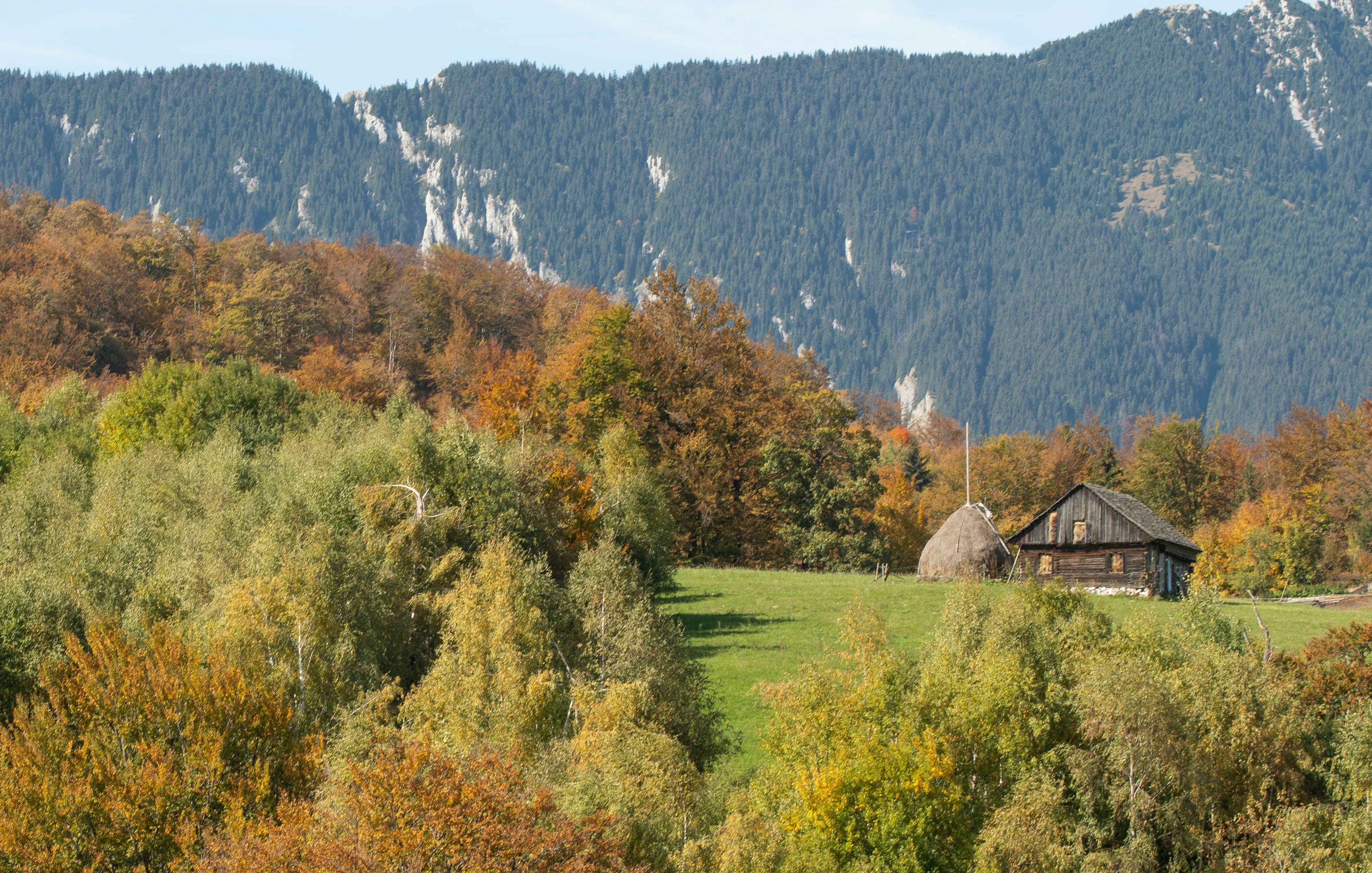
Crossing into the alpine foothills of Austria and Slovenia, the landscape becomes increasingly dramatic, with towering mountains, lush forests, and crystal-clear lakes. This region, once a crossroads of empires and trade routes, offers glimpses into a mosaic of cultures, languages, and traditions. Finally, descending into the Dalmatian coast, the journey culminates in Dubrovnik, a UNESCO World Heritage city famed for its medieval walls, terracotta rooftops, and stunning Adriatic vistas.
Historically, this route traces paths that have connected northern Europe to the Mediterranean for centuries, from Hanseatic League trade networks to Venetian maritime dominance along the Adriatic. Travelers can imagine merchants, pilgrims, and adventurers who once traversed these lands, leaving behind a rich legacy of art, architecture, and folklore.
Climate-wise, the journey offers a delightful progression: the temperate maritime climate of the Netherlands with mild summers and cool winters, the continental climates of central Europe with warm summers and snowy winters, and the Mediterranean warmth of southern Croatia, where summers are long, sunny, and perfect for seaside exploration. The best time to travel is late spring through early autumn, when the weather is inviting and festivals bring local traditions to life.
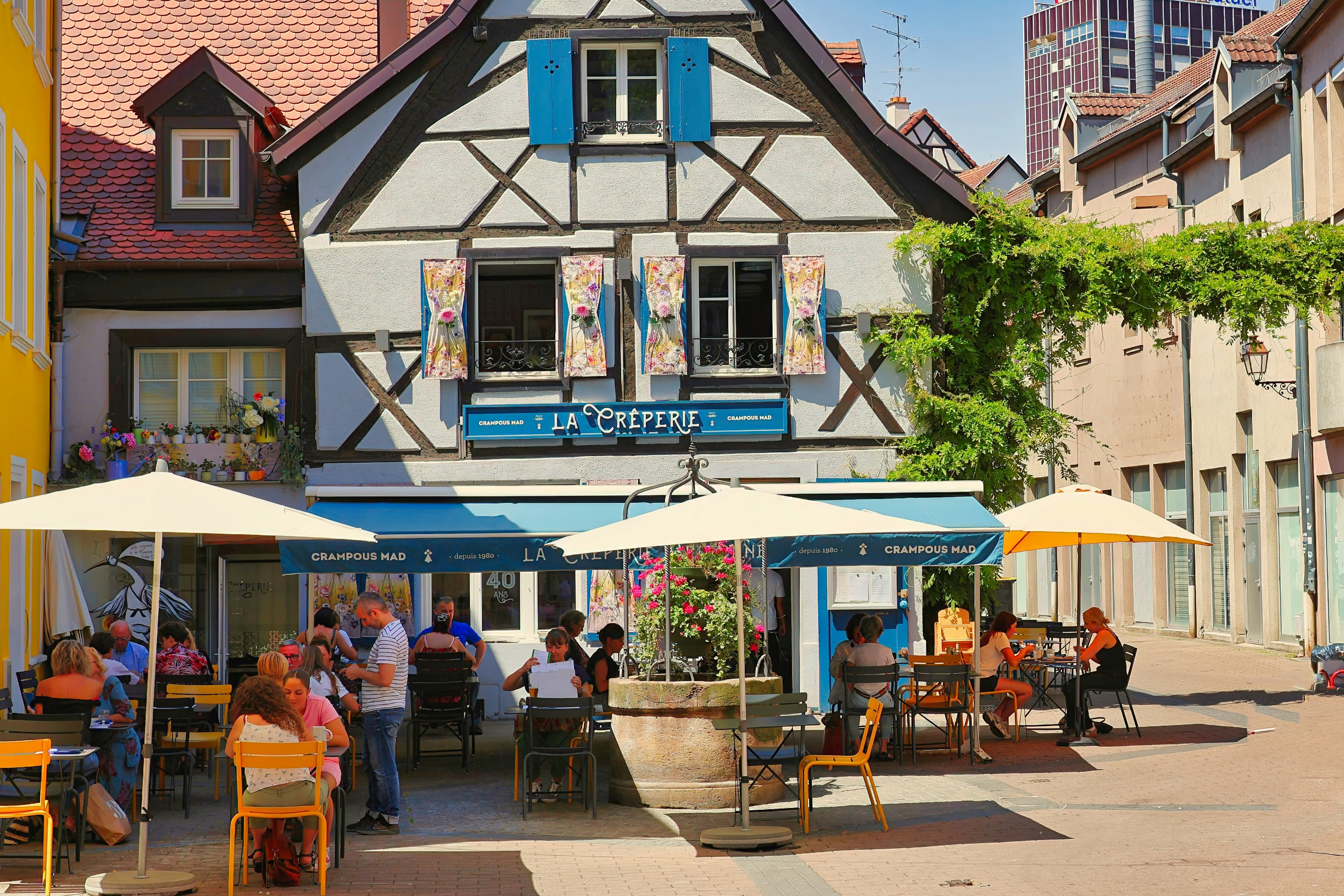
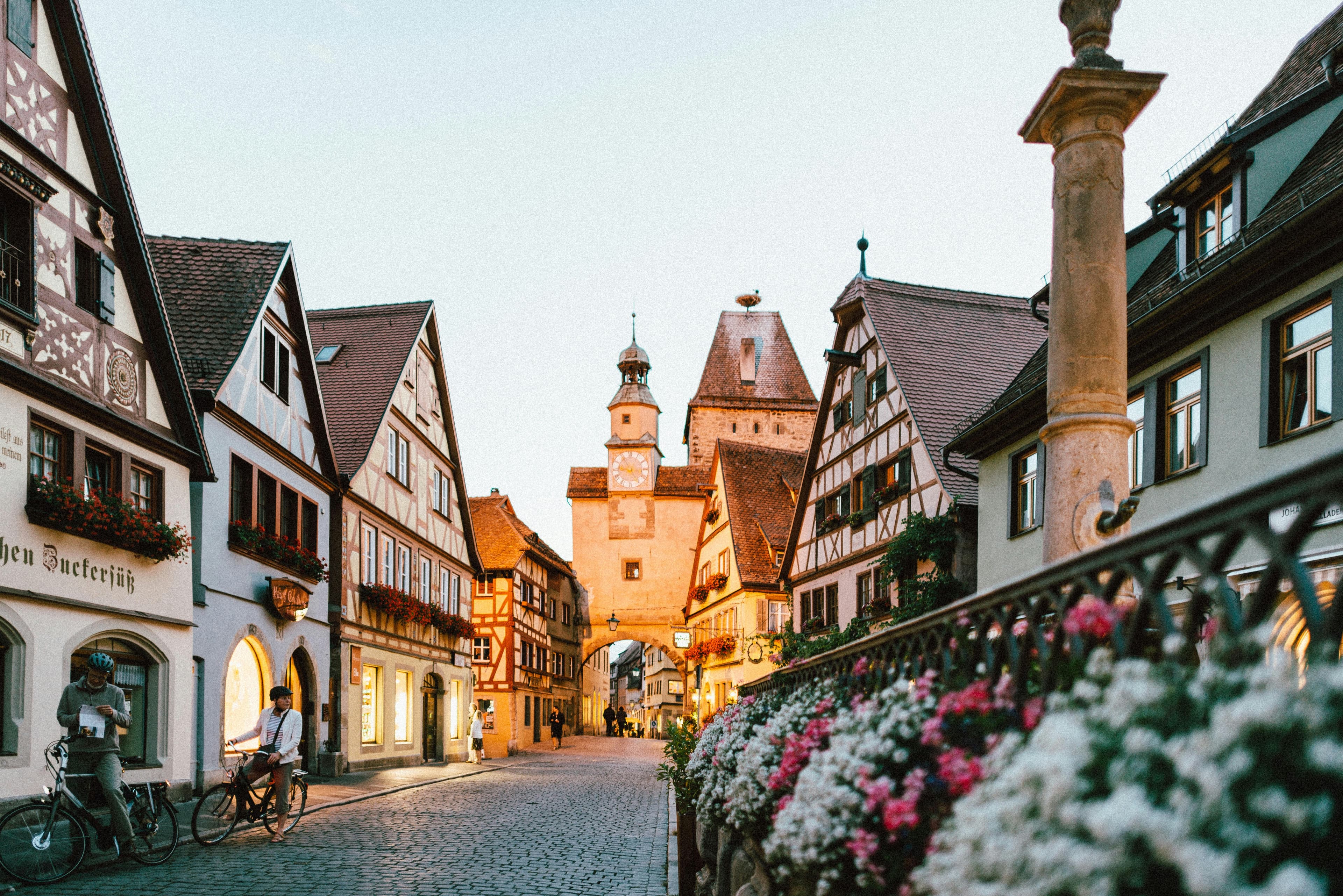
Culturally, this route is a feast for the senses. From Frisian folk music and Dutch cycling culture to Bavarian beer halls, Austrian classical music heritage, Slovenian culinary delights, and finally, the vibrant Dalmatian coastal lifestyle with its seafood feasts and lively street performances. Each stop offers unique architectural styles—from Dutch gabled houses and German timber-framed buildings to Austrian baroque and Croatian medieval stonework.
What makes this journey truly special is its seamless blend of natural beauty, historical depth, and cultural richness. It’s a voyage that invites travelers to not just move through space but to step back in time, savor diverse traditions, and witness the evolving story of Europe etched in every town, mountain, and coastline. Whether you’re a history buff, a nature lover, or a culture enthusiast, this route promises memories that linger long after the journey ends.