Discover hidden gems and must-see attractions along your journey
Discovering Amazing Detours
We're searching for the most interesting places along your route...
Route Planning in Progress
What We're Finding for You
• Hidden gems and local attractions
• Scenic viewpoints and photo opportunities
• Historical landmarks and cultural sites
• Unique roadside stops and local favorites
• Restaurants and cafes worth the detour
Interesting Detours between Leeuwarden, Netherlands and Cagliari, Italy | Detour Gems
51 Interesting Detours from Leeuwarden, Netherlands to Cagliari, Italy
From
Leeuwarden
Friesland, Netherlands
To
Cagliari
Sardinia, Italy
Discover hidden gems and must-see attractions along your journey
Your Route between Leeuwarden and Cagliari
Embarking on a journey from Leeuwarden, the charming capital of Friesland in the northern Netherlands, to the sun-kissed shores of Cagliari, Sardinia, Italy, is an adventure that weaves through a tapestry of diverse landscapes, rich history, and vibrant cultures. Starting amidst the flat, watery expanses of Friesland, dotted with iconic windmills and serene canals, you'll traverse the lush, rolling countryside of the Netherlands before crossing into the heart of Europe. The route unfolds through the picturesque Rhine valley, where vineyards cling to steep hillsides and medieval castles stand sentinel over winding rivers. As you venture southward into Italy, the terrain shifts dramatically—from the fertile plains of the Po Valley to the rugged Apennine Mountains, culminating in the Mediterranean island of Sardinia, renowned for its dramatic coastline, crystal-clear waters, and ancient Nuragic ruins.
Embarking on a journey from Leeuwarden, the charming capital of Friesland in the northern Netherlands, to the sun-kissed shores of Cagliari, Sardinia, Italy, is an adventure that weaves through a tapestry of diverse landscapes, rich history, and vibrant cultures. Starting amidst the flat, watery expanses of Friesland, dotted with iconic windmills and serene canals, you'll traverse the lush, rolling countryside of the Netherlands before crossing into the heart of Europe. The route unfolds through the picturesque Rhine valley, where vineyards cling to steep hillsides and medieval castles stand sentinel over winding rivers. As you venture southward into Italy, the terrain shifts dramatically—from the fertile plains of the Po Valley to the rugged Apennine Mountains, culminating in the Mediterranean island of Sardinia, renowned for its dramatic coastline, crystal-clear waters, and ancient Nuragic ruins.
Historically, this path echoes the footsteps of traders and travelers who navigated these lands for centuries. Friesland's seafaring heritage and the Hanseatic League's trade networks set the stage for a route steeped in commerce and cultural exchange. Passing through regions that witnessed Roman conquests, Renaissance flourishing, and pivotal moments in European history, the journey offers a living museum of the continent's past. Sardinia itself, with its unique blend of Phoenician, Roman, and indigenous influences, adds a fascinating chapter to this historical narrative.
Climate-wise, travelers can expect a gentle transition from the temperate maritime climate of the Netherlands, with cool summers and mild winters, to the warm, Mediterranean climate of Sardinia, characterized by hot, dry summers and mild, wet winters. The best time to undertake this journey is during late spring or early autumn, when the weather is pleasantly warm, landscapes are lush, and tourist crowds are thinner, allowing for a more intimate experience.
Culturally, this route is a feast for the senses. In Friesland, you'll encounter Frisian traditions, language, and architecture featuring quaint gabled houses and historic town centers. Moving south, the architectural styles evolve—from Gothic cathedrals and Renaissance palaces in northern Italy to the baroque splendor of southern cities. Sardinia offers a distinctive cultural mosaic, with vibrant festivals, traditional music, and cuisine that highlights local ingredients like pecorino cheese and fresh seafood.
What makes this journey truly special is the seamless blend of natural beauty, historical depth, and cultural richness. Each stop reveals a new facet of Europe's diverse heritage, inviting travelers to immerse themselves in stories etched into the landscape and preserved in local customs. Whether cruising along tranquil canals, exploring ancient ruins, or savoring regional delicacies under the Mediterranean sun, this route promises an unforgettable adventure that captures the heart and soul of the continent.
Tours & Activities along your Leeuwarden to Cagliari Route
Loading Map...
Calculating shortest route and preparing visualization
Places on Your Route
Click on any place name to jump to its details below
Location: AquaZoo Friesland is located in Leeuwarden, Friesland, in the northern Netherlands, offering a refreshing detour from typical city tours.
Best For: Nature Lovers, Families with Children, Dog-Friendly, Interactive Learning, Wildlife Enthusiasts
Why it's a great detour: This unique zoo combines interactive exhibits with immersive wildlife experiences, making it an ideal stop for families and nature lovers alike. Visitors can enjoy close encounters with native and exotic animals in spacious, naturalistic habitats, all while engaging in hands-on activities that educate and entertain.
Key activities: Explore themed zones featuring otters, seals, and birds of prey; participate in feeding sessions and animal demonstrations; enjoy interactive playgrounds and educational exhibits designed to spark curiosity in children and adults.
Kid-friendly focus: AquaZoo Friesland is especially welcoming to families with young children, offering safe, accessible paths, interactive displays, and plenty of opportunities for kids to learn about animals through play and observation.
Dog-friendly notes: Dogs are welcome in the outdoor areas of the zoo, provided they are kept on a leash, making it a great option for travelers who don’t want to leave their pets behind. However, dogs are not allowed inside indoor exhibits or animal enclosures.
Location: Sloten, Friesland region, Netherlands (Coordinates: 52.9745° N, 5.4973° E)
Best For: History Enthusiasts, Nature Lovers, Families with Children, Dog-Friendly Travelers, Foodies
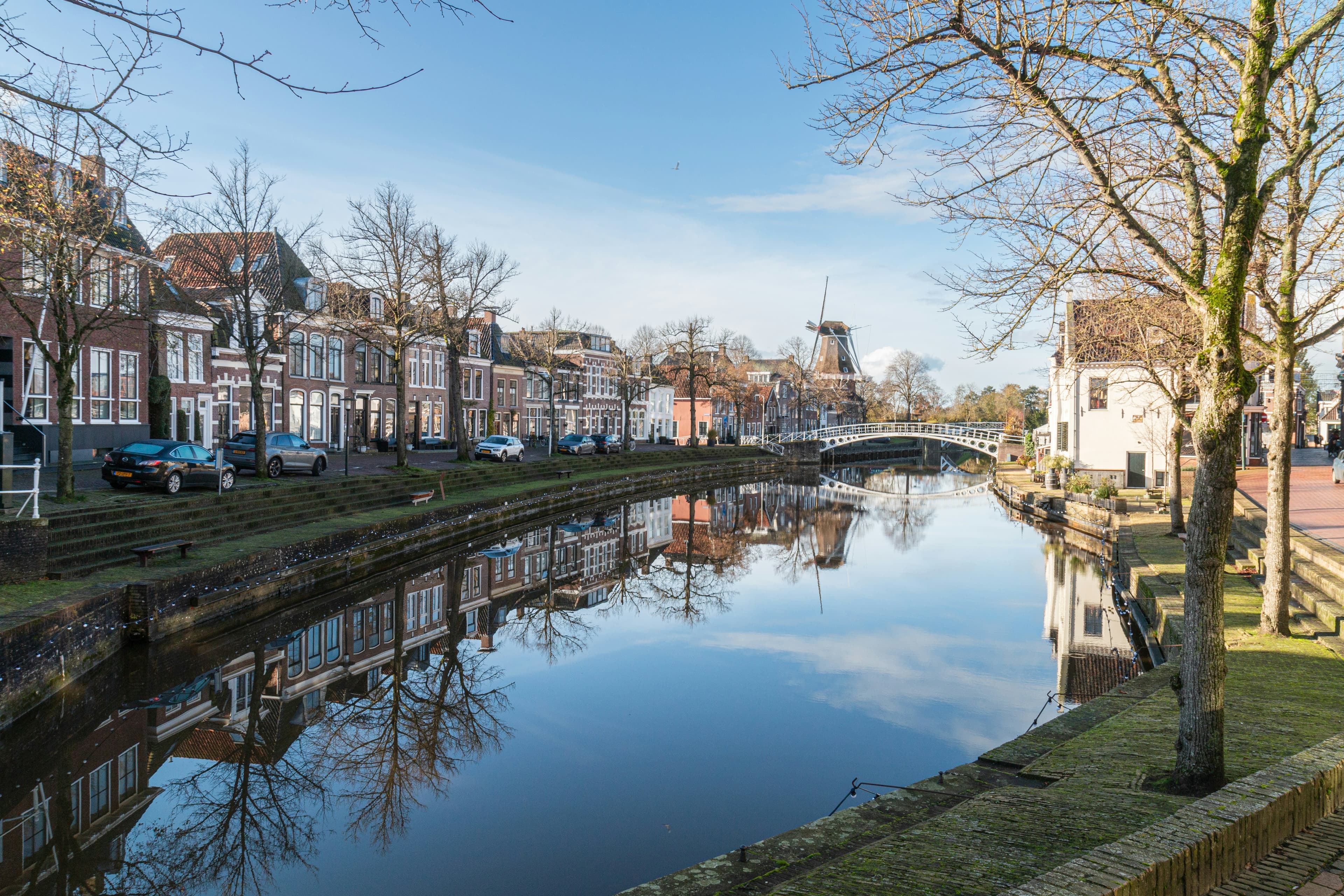
Nestled in the heart of Friesland, Sloten is the Netherlands' smallest historic city, offering an enchanting glimpse into Frisian heritage and serene canal life. This charming detour is perfect for travelers seeking a peaceful escape filled with rich history, scenic waterways, and authentic local culture.
Visitors can stroll along the quaint canals, explore well-preserved city walls and gates, and visit small museums that showcase Frisian traditions. Families will appreciate the gentle pace and safe, walkable streets, while children can enjoy boat rides and open green spaces. Food lovers can indulge in local Dutch and Frisian delicacies at cozy cafes and eateries.
Sloten warmly welcomes dogs, making it an ideal stop for travelers with pets who want to enjoy leisurely walks along the canals and through the historic streets. Whether you're a history buff eager to explore medieval architecture or a nature lover drawn to tranquil waterside views, Sloten offers a unique and memorable experience off the beaten path.
Best For: History Enthusiasts, Nature Lovers, Families with Children, Dog-Friendly
Nestled in the heart of Overijssel province, Kampen offers a captivating detour with its scenic canals and well-preserved medieval architecture. This charming Dutch city invites travelers to step back in time while enjoying leisurely walks along peaceful waterways, making it a perfect blend of history and natural beauty.
Visitors can explore Kampen’s iconic city gates and historic churches, take boat tours through the tranquil canals, and savor local Dutch cuisine in cozy cafes. The city’s compact size and flat terrain make it ideal for family outings, including stroller-friendly walks and interactive history tours that engage children.
For those traveling with dogs, Kampen is welcoming, with many outdoor spaces and pet-friendly cafes where your furry friends can join. Whether you’re a history buff eager to explore centuries-old buildings or a nature lover looking for serene canal views, Kampen offers a delightful and accessible experience for all ages.
Location: Deventer Historic City Center, Overijssel Province, Netherlands
Best For: History Enthusiasts, Nature Lovers, Families with Children, Dog-Friendly
Nestled along the scenic IJssel River, Deventer's historic city center offers an enchanting detour filled with medieval charm and tranquil riverside walks. This beautifully preserved town invites travelers to step back in time with its cobblestone streets, ancient architecture, and vibrant local culture, making it a perfect stop for those seeking a blend of history and nature.
Visitors can explore the iconic Lebuinus Church, wander through quaint alleyways lined with boutique shops and cozy cafes, and enjoy leisurely strolls along the riverbanks where the lush greenery and gentle waters create a peaceful atmosphere. Families will appreciate the interactive museums and open spaces ideal for children, while dog owners will find welcoming parks and pet-friendly pathways.
This detour is ideal for foodies eager to sample traditional Dutch treats in charming eateries, history buffs fascinated by medieval architecture, and nature lovers who enjoy scenic walks by the water. Whether you're traveling with young children or your furry friend, Deventer's historic center offers a delightful and accessible experience for all.
Location:
Nestled in the charming town of 's-Heerenberg in Gelderland, Netherlands, Kasteel Huis Bergh offers a picturesque medieval setting along the serene banks of the Oude Rijn river.
Best For:
History Enthusiasts, Nature Lovers, Families with Children, Dog-Friendly Outings, Foodies
Why it's a great detour:
Kasteel Huis Bergh stands as one of the largest and most well-preserved castles in the Netherlands, providing visitors with a captivating glimpse into medieval life. Its riverside location enhances the experience with tranquil views and scenic walking paths, making it a perfect blend of history and nature. Whether you're intrigued by ancient architecture, enjoy peaceful riverside strolls, or seek a family-friendly adventure, this castle offers a memorable detour.
Key Activities:
Explore the castle’s historic halls and impressive art collections, including medieval armor and tapestries. Wander through beautifully maintained gardens and along the riverside paths. Participate in guided tours and seasonal events that bring history to life. Enjoy local Dutch cuisine at nearby eateries that celebrate regional flavors.
Kid-Friendly Focus:
The castle’s interactive exhibits and open grounds make it engaging for children, with plenty of space to roam and discover. While younger kids will enjoy the visual storytelling and gardens, older children and teens may appreciate the detailed history and guided tours.
Dog-Friendly Notes:
Dogs are welcome on the castle grounds and surrounding walking trails, making it an excellent stop for travelers with pets. Just ensure dogs are leashed and respect the castle’s rules to preserve the site’s integrity.
Best For: History Enthusiasts, Nature Lovers, Families with Children, Dog-Friendly
Nestled along the tranquil banks of the Waal River, Nijmegen's Historic City Center offers a captivating blend of enchanting medieval architecture and peaceful riverside views. This detour is perfect for travelers seeking a serene yet culturally rich experience, where history meets nature in one of the Netherlands' oldest cities.
Visitors can explore winding cobblestone streets dotted with centuries-old buildings, visit local museums that delve into Nijmegen's Roman and medieval past, or simply enjoy a leisurely riverside walk. The area boasts charming cafes and eateries serving regional Dutch cuisine, ideal for foodies eager to savor local flavors.
Families will appreciate the safe, pedestrian-friendly streets and open spaces suitable for children to explore, while dog owners will find welcoming parks and trails along the river to stroll with their pets. Whether you're captivated by history, drawn to scenic nature walks, or looking for a relaxing spot to unwind, Nijmegen's Historic City Center offers a memorable detour with something for everyone.
Location:
Nestled in the Lower Rhine region of North Rhine-Westphalia, Germany, Xanten's Historic Old Town offers a picturesque medieval setting along the banks of the Rhine River.
Best For:
History Enthusiasts, Nature Lovers, Families with Children, Dog-Friendly Travelers, Foodies
Why It's a Great Detour:
Xanten's Old Town enchants visitors with its authentic medieval charm, featuring well-preserved architecture and cobblestone streets that invite leisurely exploration. The tranquil riverside setting adds a serene backdrop perfect for relaxation or scenic walks, making it an ideal stop for travelers seeking a blend of cultural heritage and natural beauty.
Key Activities:
Explore the impressive St. Victor's Cathedral and the Archaeological Park showcasing Roman history, stroll along the Rhine riverbanks, enjoy local cuisine at riverside cafes, and visit quaint shops selling traditional crafts. Families can engage with interactive exhibits and open spaces, while nature lovers can appreciate the peaceful riverside trails.
Kid-Friendly Focus:
The town is welcoming for families with young children, offering open spaces and engaging historical sites that are accessible and educational, making it a fun learning experience.
Dog-Friendly Notes:
Xanten is pet-friendly with many outdoor areas and walking paths along the river where dogs are welcome, though some indoor attractions may have restrictions. Visitors traveling with dogs will find ample opportunities for scenic strolls and relaxation.
Best For: Nature Lovers, History Enthusiasts, Families with Children, Dog-Friendly
Nestled in the charming village of Arcen, the Castle Gardens offer a delightful detour filled with historic allure and natural beauty. This enchanting destination combines the grandeur of a centuries-old castle with meticulously maintained gardens and peaceful riverside walks, making it a perfect escape from the usual tourist trail.
Visitors can explore the beautifully landscaped gardens featuring themed sections like the rose garden and herb garden, wander along scenic paths by the river Maas, and discover the castle's rich history through guided tours. The gardens provide ample space for children to explore safely, with interactive exhibits and open lawns ideal for family picnics.
Dog owners will appreciate the welcoming atmosphere, with many trails allowing leashed pets to enjoy the fresh air alongside their owners. Foodies can indulge in local delicacies at the on-site café, which offers seasonal dishes made from regional ingredients.
Whether you're a history buff eager to delve into Dutch heritage, a nature lover seeking tranquility, or traveling with family and pets, Arcen's Castle Gardens promise a memorable and enriching experience.
Location: Kaiserswerth is a charming historic district located in Düsseldorf, North Rhine-Westphalia, Germany, nestled along the scenic banks of the Rhine River. Best For: History Enthusiasts, Nature Lovers, Families with Children, Dog-Friendly Travelers, Foodies Why it's a great detour: Kaiserswerth offers a unique blend of enchanting medieval architecture and tranquil riverside ambiance, making it a perfect escape from the urban bustle of Düsseldorf. Visitors can immerse themselves in centuries-old history while enjoying peaceful walks along the Rhine, discovering quaint cafes and local eateries that showcase authentic German cuisine. Key activities: Explore the ruins of Kaiserpfalz, a 12th-century imperial palace; stroll through the cobblestone streets lined with historic houses; enjoy riverside walks or bike rides along the Rhine promenade; visit local markets and sample traditional German pastries and beers; take a boat tour on the Rhine for scenic views. Kid-friendly focus: The area is welcoming to families, with open spaces along the river for children to play and safe pedestrian zones in the old town. The historic sites offer engaging stories that can captivate older children interested in history. Dog-friendly notes: Kaiserswerth is very dog-friendly, with ample green spaces and riverside paths perfect for walking pets. Many cafes and outdoor seating areas welcome dogs, making it easy to include your furry friends in the adventure.
Location: Meinweg National Park is located near Herkenbosch in the Limburg region of the Netherlands, close to the German border.
Best For: Nature Lovers, Hiking, History Enthusiasts, Dog-Friendly, Families with Children, Foodies
Why It's a Great Detour: This peaceful national park offers a unique blend of scenic nature trails and tranquil lakes, making it an ideal escape from bustling city life. Its diverse landscapes, including dense forests, heathlands, and water bodies, provide a refreshing environment for all types of travelers. History buffs will appreciate the park's rich cultural heritage, while foodies can enjoy local delicacies in nearby villages.
Key Activities: Visitors can enjoy extensive hiking and cycling routes that wind through the park's varied terrain, bird watching around the lakes, and guided nature tours highlighting local flora and fauna. The park also features historical sites such as ancient Roman roads and remnants of World War II defenses. Nearby eateries offer traditional Limburg cuisine, perfect for a relaxing meal after outdoor adventures.
Kid-Friendly Focus: The park is well-suited for families with young children, offering safe, easy trails and interactive nature programs that engage kids with the environment.
Dog-Friendly Notes: Meinweg National Park welcomes dogs on leashes, with many trails suitable for walking your furry friends, making it an excellent destination for pet owners seeking outdoor activities together.
Location: Cologne Old Town, Cologne, North Rhine-Westphalia, Germany
Best For: Foodies, History Enthusiasts, Families with Children, Dog-Friendly, Culture Lovers
Why it's a great detour: Nestled in the heart of Cologne, this vibrant Old Town district offers a unique blend of rich history and culinary tradition. Visitors can immerse themselves in centuries-old architecture while indulging in authentic German brews and hearty local dishes, making it a perfect stop for those seeking cultural depth alongside delicious flavors.
Key activities: Explore historic landmarks like the Cologne Cathedral nearby, sample Kölsch beer at traditional breweries, enjoy regional specialties such as Himmel un Ääd or Rheinischer Sauerbraten, stroll along the scenic Rhine River promenade, and browse charming local markets and artisan shops.
Kid-friendly focus: The area is welcoming to families, with many restaurants offering kid-friendly menus and casual atmospheres. Outdoor spaces and river walks provide enjoyable activities for children.
Dog-friendly notes: Many pubs and cafes in the Old Town are dog-friendly, often providing water bowls and outdoor seating where pets are welcome, making it an ideal detour for travelers with dogs.
Location: Nestled in the picturesque Rhine Valley near Koblenz, Germany, this detour offers travelers a chance to explore one of Europe’s most celebrated wine regions. Best For: Nature Lovers, Foodies, History Enthusiasts, Dog-Friendly, Families with Children Why it's a great detour: The Rhine Valley is renowned for its stunning landscapes dotted with terraced vineyards and medieval castles, making it an idyllic spot for wine tasting and leisurely exploration. Visitors can indulge in gourmet local wines while soaking in breathtaking views of the river and historic sites, providing a perfect blend of culture, nature, and gastronomy. Key activities: Enjoy guided wine tastings at family-owned wineries, stroll or bike through scenic vineyard trails, visit nearby castles such as Burg Eltz or Marksburg, and savor regional culinary delights at charming local inns. Educational tours about viticulture and the region’s rich history add depth for curious travelers. Kid-friendly focus: While wine tasting is for adults, the expansive outdoor spaces and castle visits offer engaging experiences for children. Many wineries welcome families and provide non-alcoholic options and picnic areas. Dog-friendly notes: The vineyards and trails are generally dog-friendly, allowing visitors to bring their pets along for scenic walks. Some wineries may have restrictions indoors, so checking in advance is recommended.
Location: Limburg an der Lahn, Hesse region, Germany Best For: History Enthusiasts, Nature Lovers, Families with Children, Dog-Friendly Why it's a great detour: Nestled along the tranquil Lahn River, Limburg an der Lahn's Old Town offers visitors a captivating blend of medieval architecture and riverside calm. Its iconic half-timbered houses and the stunning Limburg Cathedral create a fairy-tale atmosphere that transports travelers back in time, making it a perfect stop for those seeking both cultural enrichment and peaceful natural beauty. Key activities: Wander the cobblestone streets to admire well-preserved medieval buildings, visit the majestic Limburg Cathedral with its striking Romanesque design, enjoy scenic riverside walks or boat rides along the Lahn, and savor local Hessian cuisine in charming cafés and taverns. Families can explore small museums and participate in seasonal festivals that bring the town’s history to life. Kid-friendly focus: The Old Town is very welcoming to families, with safe pedestrian areas and engaging historical sites that can intrigue children. Outdoor spaces along the river provide room for play and exploration, making it suitable even for younger kids. Dog-friendly notes: Limburg an der Lahn is dog-friendly, with many walking paths along the river and pet-welcoming outdoor dining options. Dogs are generally allowed in public areas, though some indoor attractions may have restrictions, so carrying a leash and checking ahead is recommended.
Location: Burg Eltz is located in the Moselle Valley near the town of Wierschem, Rhineland-Palatinate, Germany. This historic castle is perched on a rugged hill surrounded by dense forests and scenic river landscapes. Best For: Nature Lovers, History Enthusiasts, Hiking, Families with Children, Dog-Friendly. Why it's a great detour: Burg Eltz offers visitors a magical glimpse into medieval life with its remarkably preserved architecture and authentic interiors. Nestled in a tranquil forest setting, it provides a peaceful escape from bustling cities, making it ideal for travelers seeking both cultural enrichment and natural beauty. The castle’s fairy-tale appearance and scenic surroundings captivate photographers and romantics alike. Key activities: Explore the castle’s historic rooms and armory through guided tours, hike the well-marked trails around the castle for stunning views of the Moselle River valley, and enjoy the beautifully maintained gardens perfect for picnics. Local eateries nearby offer traditional Moselle cuisine and wines, appealing to foodies eager to sample regional flavors. Kid-friendly focus: The castle’s fairy-tale charm and interactive tours make it engaging for children, though younger kids may require supervision on hiking paths. Educational storytelling and exhibits help bring history to life, making it a rewarding experience for families. Dog-friendly notes: The surrounding hiking trails are dog-friendly, allowing visitors to bring their pets along for an outdoor adventure. However, dogs are not permitted inside the castle itself, so arrangements should be made accordingly.
Location: Stretching along the Upper Rhine Valley through southwestern Germany and northeastern France, this scenic region is renowned for its picturesque vineyards and historic castles nestled amid rolling hills and the serene Rhine River. Best For: Nature Lovers, History Enthusiasts, Foodies, Families with Children, Dog-Friendly Why it's a great detour: This enchanting route offers travelers a unique blend of natural beauty and rich cultural heritage. Visitors can explore centuries-old castles that tell stories of medieval times while strolling through some of Europe's most celebrated vineyards. The peaceful landscapes and charming villages make it an ideal escape from bustling city life. Key activities: Wine tasting tours at family-run vineyards, guided castle visits including the famous Marksburg and Château du Haut-Kœnigsbourg, hiking and cycling along well-marked trails with stunning river views, river cruises on the Rhine, and sampling regional Alsace and Baden cuisine in quaint local restaurants. Kid-friendly focus: Many castles offer interactive exhibits and medieval-themed events that engage children, while gentle hiking paths and open spaces provide safe and enjoyable outdoor activities for families. Dog-friendly notes: The region is welcoming to dogs, with numerous walking trails and outdoor dining options where pets are allowed. However, some castle interiors may restrict pet access, so planning ahead is recommended.
Location: Nestled along the Romantic Rhine River Valley in Germany, this region stretches between Koblenz and Bingen, renowned for its breathtaking medieval castles and lush vineyards.
Best For: Nature Lovers, History Enthusiasts, Foodies, Families with Children, Dog-Friendly Travelers
Why it's a great detour: This enchanting stretch of the Rhine offers a unique blend of fairy-tale castles perched dramatically on hilltops and world-class vineyards producing exquisite wines. Visitors can immerse themselves in centuries of history while enjoying scenic river views and indulging in local culinary delights, making it a perfect stop for diverse interests.
Key activities: Explore iconic castles like Marksburg and Rheinfels, hike or bike along the well-marked Rhine trails, take leisurely river cruises, sample award-winning Rieslings at family-run wineries, and visit charming medieval towns such as Bacharach and St. Goar.
Kid-friendly focus: The castles and open landscapes provide engaging adventures for children, including castle tours with stories of knights and legends, plus outdoor activities like hiking and picnicking.
Dog-friendly notes: Many hiking trails and outdoor vineyards welcome dogs on leash, making it an excellent destination for travelers with pets, though some castle interiors may have restrictions.
Location: Upper Middle Rhine Valley, Rhineland-Palatinate, Germany (Coordinates: 50.1000° N, 7.6000° E)
Best For: Nature Lovers, History Enthusiasts, Foodies, Families with Children, Dog-Friendly
The Upper Middle Rhine Valley offers a captivating detour filled with majestic medieval castles and picturesque vineyards that line the UNESCO World Heritage-listed Rhine River. This region is renowned for its stunning landscapes, rich history, and vibrant wine culture, making it a perfect stop for travelers seeking a blend of nature, culture, and gastronomy.
Visitors can explore well-preserved castles such as Burg Katz and Burg Rheinfels, enjoy scenic hikes or bike rides along the riverbanks, and indulge in wine tastings at local vineyards. The valley’s gentle trails and castle tours are suitable for families with young children, while the welcoming wineries often accommodate dogs, allowing pet owners to enjoy the experience together.
Whether you're fascinated by medieval architecture, eager to savor regional Rieslings, or simply want to immerse yourself in breathtaking river views, the Upper Middle Rhine Valley offers a memorable and diverse detour for all types of travelers.
Location: Nestled in the Rhineland-Palatinate region of southwestern Germany, Pfälzerwald Nature Park is Europe's largest contiguous forest area, offering a pristine natural escape just a short drive from cities like Kaiserslautern and Neustadt an der Weinstraße.
Best For: Nature Lovers, Hiking, Family-Friendly, Dog-Friendly, History Enthusiasts, Foodies
Why it's a great detour: This expansive nature park captivates visitors with its scenic hiking trails winding through dense woodlands, dramatic sandstone rock formations, and charming wildlife habitats. It’s an ideal detour for travelers seeking refreshing outdoor experiences combined with opportunities to learn about the region’s rich cultural heritage and savor local culinary delights.
Key activities: Visitors can enjoy well-marked hiking and biking trails suitable for all skill levels, guided wildlife tours perfect for spotting deer and wild boar, and visits to historic castles and traditional villages nearby. Food lovers will appreciate the chance to sample Pfälzer specialties such as Saumagen and local wines at cozy forest inns.
Kid-friendly focus: The park offers gentle, stroller-friendly paths and interactive nature trails designed for young children, making it a wonderful destination for families. Educational programs and wildlife observation points keep kids engaged and excited.
Dog-friendly notes: Pfälzerwald is very welcoming to dogs, with many trails allowing leashed pets and several dog-friendly accommodations and eateries. It’s a perfect spot for travelers who want to bring their furry companions along on their nature adventures.
Best For: Nature Lovers, Hiking, Family-Friendly, Dog-Friendly, Outdoor Enthusiasts, History Buffs
Nestled in the scenic Lower Silesian region of Poland, the Jawor Forest Reserve offers a captivating detour for travelers seeking a blend of wildlife adventure and tranquil nature trails. This reserve is renowned for its well-maintained paths that wind through ancient woodlands, making it an ideal spot for families, dog walkers, and nature lovers to immerse themselves in the outdoors.
Visitors can enjoy guided wildlife spotting tours, educational nature walks that highlight the forest's rich biodiversity, and interactive exhibits detailing the area's historical significance. The trails are gentle and safe, perfect for young children to explore and learn about native flora and fauna. Dog owners will appreciate the ample off-leash areas and pet-friendly facilities, ensuring a fun and comfortable experience for their furry companions.
For history enthusiasts, the reserve features interpretive signage about the region's cultural heritage and traditional forest management practices. Foodies can delight in nearby local eateries offering regional specialties made from forest-foraged ingredients, adding a culinary dimension to the visit.
Whether you're seeking a peaceful family outing, an invigorating hike, or a chance to connect with nature and history, the Jawor Forest Reserve provides a diverse and enriching experience suitable for all ages and interests.
Location:
Nestled in the heart of Baden-Württemberg, Germany, the Black Forest region offers a captivating blend of dense woodlands and rejuvenating hot springs, making it a perfect detour for travelers exploring southwestern Germany.
Best For:
Nature Lovers, Hiking, Wellness Seekers, History Enthusiasts, Dog-Friendly, Families with Children
Why It's a Great Detour:
The Black Forest is renowned for its stunning natural beauty, featuring expansive evergreen forests, crystal-clear streams, and soothing thermal springs. Visitors can unwind in therapeutic hot springs while surrounded by serene landscapes, or explore charming villages steeped in history and folklore. This detour offers a unique combination of outdoor adventure and relaxation, appealing to a wide range of travelers.
Key Activities:
Hiking scenic trails through dense forests, soaking in natural hot springs and spa facilities, visiting traditional Black Forest villages with cuckoo clock workshops, exploring local museums and castles, and sampling regional cuisine including Black Forest cake and smoked ham.
Kid-Friendly Focus:
The area is well-suited for families with children, offering gentle hiking paths, nature parks, and interactive museums. Hot springs often have family-friendly pools and wellness areas designed for all ages.
Dog-Friendly Notes:
Many hiking trails and outdoor areas welcome dogs, making it an excellent destination for travelers with pets. Some accommodations and spas may have pet policies, so checking in advance is recommended.
Location: Obernai, Bas-Rhin, Grand Est region, France Best For: Foodies, History Enthusiasts, Nature Lovers, Families with Children, Dog-Friendly Travelers Nestled in the heart of Alsace, Obernai offers a perfect blend of gourmet experiences and rich history, making it an ideal detour for travelers seeking authentic French charm. This vibrant town boasts beautifully preserved medieval architecture alongside bustling markets and renowned local eateries, inviting visitors to savor traditional Alsatian dishes and wines. Explore the cobblestone streets lined with colorful half-timbered houses, visit the historic St. Odile Church, and enjoy scenic walks along the nearby Vosges foothills. Families can delight in interactive museums and local festivals, while nature lovers will appreciate the surrounding vineyards and hiking trails. Obernai welcomes dogs in many outdoor cafes and parks, making it a comfortable stop for pet owners. With its combination of culinary delights, cultural heritage, and welcoming atmosphere, Obernai is a memorable detour that caters to diverse interests and ensures a rewarding experience for all ages and travel styles.
Location: Nestled in the Grand Est region of northeastern France, the Charming Alsace Villages with Half-Timbered Houses and Wine Routes offer a captivating detour through picturesque towns such as Riquewihr, Eguisheim, and Kaysersberg.
Best For: Nature Lovers, History Enthusiasts, Foodies, Families with Children, Dog-Friendly
Why It's a Great Detour: This route combines the fairy-tale charm of medieval half-timbered architecture with the sensory delight of world-renowned Alsace wines. Visitors can immerse themselves in centuries-old history, stroll through vibrant vineyards, and savor local culinary specialties, making it a rich cultural and sensory experience.
Key Activities: Explore quaint village streets and artisan shops, visit historic castles and churches, enjoy guided wine tastings and vineyard tours, hike or bike along scenic wine routes, and indulge in Alsatian cuisine at local bistros.
Kid-Friendly Focus: The villages’ safe, pedestrian-friendly streets and interactive museums make it enjoyable for families with young children, while outdoor activities like gentle hikes and picnics in vineyards appeal to all ages.
Dog-Friendly Notes: Many trails and outdoor dining spots welcome dogs, making it an excellent choice for travelers with pets, though some indoor venues may have restrictions.
Location: Freiburg im Breisgau, Baden-Württemberg region, Germany
Best For: History Enthusiasts, Nature Lovers, Families with Children, Dog-Friendly, Foodies
Nestled in the heart of southwestern Germany, Freiburg im Breisgau offers a captivating detour into medieval times with its well-preserved historic castles and charming old town streets. This destination stands out for its unique blend of rich history, vibrant local culture, and scenic natural surroundings, making it an enriching stop for travelers seeking both education and relaxation.
Visitors can explore the imposing Schlossberg castle ruins, wander through narrow cobblestone streets lined with half-timbered houses, and enjoy the lively marketplaces filled with local delicacies. Families will appreciate the interactive museums and open spaces perfect for children to roam safely, while dog owners will find numerous parks and pet-friendly cafes welcoming their furry companions.
History buffs will delight in guided tours that delve into Freiburg's medieval past, while nature lovers can hike the scenic trails of the nearby Black Forest. Foodies can indulge in traditional Baden cuisine at cozy taverns and sample regional wines. This detour offers a harmonious mix of activities suitable for all ages and interests, making it an ideal stop on any European road trip.
Best For: Nature Lovers, Families with Children, Dog-Friendly, History Enthusiasts, Foodies
Why it's a great detour: Nestled in the charming city of Mulhouse, this combined zoo and botanical garden offers an enriching escape for travelers seeking close encounters with wildlife alongside stunning plant collections. It’s an ideal spot for families to explore diverse ecosystems and learn about conservation in a relaxed, scenic environment. History buffs will appreciate the garden’s heritage, while foodies can enjoy local Alsatian treats nearby.
Key activities: Visitors can stroll through themed animal habitats featuring species from around the world, attend educational talks and feeding sessions, and wander the beautifully curated botanical gardens showcasing rare and native plants. Children can enjoy interactive play areas and guided tours designed to engage young minds. The site often hosts seasonal events and workshops that highlight biodiversity and sustainable gardening.
Kid-friendly focus: The zoo and gardens are thoughtfully designed for families, with safe walking paths, stroller accessibility, and plenty of shaded rest areas. Interactive exhibits and animal encounters make it especially appealing for young children.
Dog-friendly notes: Well-behaved dogs on leashes are welcome in the botanical gardens and designated outdoor areas, making it a pleasant stop for travelers with pets. However, dogs are not permitted inside animal enclosures or indoor facilities to ensure safety and comfort for all visitors.
Location:
Nestled in the heart of Basel, Switzerland, Zoo Basel offers a unique blend of wildlife encounters and scenic trails that make it a perfect detour for travelers exploring the region.
Best For:
Nature Lovers, Families with Children, Dog-Friendly, Hiking, History Enthusiasts, Foodies
Why it's a great detour:
Zoo Basel is one of Europe's oldest and most renowned zoos, combining rich history with modern conservation efforts. Visitors can enjoy immersive animal exhibits alongside beautifully maintained walking trails that showcase the region's natural beauty. This destination offers a refreshing break from city sightseeing with opportunities to connect with nature and wildlife in a family-friendly setting.
Key activities:
Explore diverse animal habitats featuring species from around the world, stroll along scenic trails that wind through the zoo's expansive grounds, participate in educational programs about wildlife conservation, and savor local Swiss cuisine at the zoo's cafes. History buffs will appreciate the zoo's heritage and its role in European zoological development.
Kid-friendly focus:
The zoo is exceptionally welcoming to families with young children, featuring interactive exhibits, petting areas, and playgrounds designed to engage and educate young minds.
Dog-friendly notes:
Dogs are welcome in designated outdoor areas and on certain trails, making it a great stop for travelers with pets. However, pets are not allowed inside animal enclosures or indoor exhibits, so planning accordingly is recommended.
Located in the charming town of Aarau in the Aargau region of Switzerland, the Gourmet Swiss Chocolate Tasting and Artisan Workshops offer a delectable detour for travelers seeking a sweet cultural experience.
Best For: Foodies, Families with Children, History Enthusiasts, Dog-Friendly
This unique destination is perfect for anyone eager to explore Switzerland’s world-renowned chocolate heritage through hands-on artisan workshops and guided tastings. Visitors can learn about the history of Swiss chocolate, watch expert chocolatiers at work, and sample a variety of gourmet chocolates crafted on-site. The workshops provide an engaging experience for families, with activities suitable for children and adults alike.
Key activities include interactive chocolate-making classes, tasting sessions featuring rare Swiss chocolate varieties, and exploring the rich history behind Switzerland’s chocolate tradition. The venue welcomes well-behaved dogs in designated areas, making it a great stop for travelers with pets.
Families will appreciate the kid-friendly workshops designed to spark creativity and delight young chocolate lovers, while history buffs can enjoy insights into the evolution of Swiss chocolate craftsmanship. Nature lovers can also enjoy Aarau’s picturesque surroundings before or after their chocolate adventure, making this detour a well-rounded and memorable experience for all types of travelers.
Best For: History Enthusiasts, Nature Lovers, Families with Children, Dog-Friendly, Foodies
Nestled along the serene banks of the Reuss River, Bremgarten Old Town offers a captivating detour into Switzerland's medieval past combined with peaceful riverside charm. This picturesque town enchants visitors with its well-preserved cobblestone streets, historic architecture, and vibrant local culture, making it a perfect stop for travelers seeking both history and natural beauty.
Visitors can explore the iconic medieval stone bridge, wander through the quaint old town with its artisan shops and cafes, and enjoy riverside walks that are ideal for families and dog owners alike. The town hosts lively markets and seasonal festivals that showcase local culinary delights, appealing to foodies eager to taste authentic Swiss fare.
Families will appreciate the safe, walkable streets and open green spaces where children can play and discover history in an engaging environment. Dog owners will find welcoming outdoor areas and pet-friendly establishments, ensuring a comfortable visit for all.
Whether you're a history buff eager to delve into medieval architecture, a nature lover seeking tranquil riverside scenery, or a foodie looking to savor regional specialties, Bremgarten Old Town provides a delightful and accessible detour that enriches any travel itinerary.
Best For: History Enthusiasts, Nature Lovers, Families with Children, Dog-Friendly Travelers, Foodies
Nestled along the serene banks of the Aare River, Solothurn's Old Town offers an enchanting detour filled with medieval charm and scenic riverside strolls. This beautifully preserved Swiss town blends stunning baroque architecture with lush natural surroundings, making it a perfect stop for travelers seeking history, culture, and relaxation. Its compact layout invites leisurely exploration, allowing visitors to immerse themselves in centuries-old streets and vibrant local life.
Visitors can wander through narrow cobblestone alleys, admire the iconic St. Ursus Cathedral, and enjoy riverside walks along the Aare with picturesque views. Food lovers will appreciate the cozy cafes and traditional Swiss restaurants offering local delicacies. Families can explore interactive museums and open spaces ideal for children to play, while dog owners will find welcoming outdoor areas and pet-friendly paths along the river.
This detour is especially suitable for families with young children due to its safe pedestrian zones and engaging historical sites that bring Swiss heritage to life. Nature lovers will delight in the peaceful river trails and nearby parks. Dog owners can comfortably bring their pets, as many outdoor cafes and walking routes accommodate four-legged friends.
Whether you're a history buff eager to explore medieval architecture, a nature enthusiast looking for scenic walks, or a foodie wanting to savor authentic Swiss flavors, Solothurn's Old Town offers a rich and diverse experience that makes it a memorable stop on your European journey.
Location: Nestled in the picturesque region of Goldingen, Switzerland, Tierpark Goldingen offers a serene escape into nature just a short drive from Zurich.
Best For: Nature Lovers, Families with Children, Dog-Friendly, Hiking, History Enthusiasts, Foodies
Why It's a Great Detour: Tierpark Goldingen is a charming wildlife park that combines immersive animal encounters with beautiful, well-marked scenic trails. It’s an ideal stop for travelers seeking a peaceful outdoor experience enriched with local fauna and flora, perfect for a family day out or a nature-filled break from urban sightseeing.
Key Activities: Visitors can enjoy close-up views of native Swiss wildlife such as deer, wild boar, and various bird species. The park features several hiking trails winding through lush forests and meadows, picnic areas, and educational exhibits about the region’s natural history. Foodies will appreciate the nearby local eateries offering traditional Swiss dishes, making it a well-rounded experience.
Kid-Friendly Focus: The park is exceptionally welcoming to families with young children, offering safe, interactive animal feeding sessions and playgrounds. Educational programs and guided tours help engage kids with nature and wildlife conservation.
Dog-Friendly Notes: Dogs are warmly welcomed on-leash throughout the park and on the trails, making it a perfect detour for travelers with pets looking to stretch their legs in a natural setting.
Location: Nestled in the Bernese Oberland of Switzerland, the Jungfrau Region offers an unforgettable detour filled with majestic alpine peaks and picturesque traditional villages.
Best For: Nature Lovers, Hiking, History Enthusiasts, Families with Children, Dog-Friendly
Why it's a great detour: This region captivates visitors with its dramatic mountain landscapes, rich cultural heritage, and charming villages that seem frozen in time. Whether you're seeking exhilarating hikes, historical exploration, or peaceful nature walks, the Jungfrau Region provides a diverse experience that appeals to all ages and interests.
Key activities: Explore scenic hiking trails suitable for all skill levels, visit the iconic Jungfraujoch "Top of Europe" railway station, discover traditional Swiss architecture and local museums, enjoy alpine wildlife spotting, and savor authentic Swiss cuisine in cozy mountain inns.
Kid-friendly focus: Many gentle walking paths and interactive museums make this destination ideal for families with young children, offering educational and outdoor fun in a safe environment.
Dog-friendly notes: The region welcomes dogs on most trails and in many accommodations, making it a perfect choice for travelers with pets seeking fresh mountain air and adventure.
Location: Nestled in the heart of the Swiss Alps, spanning regions such as Bernese Oberland and Valais, Switzerland.
Best For: Nature Lovers, Hiking, History Enthusiasts, Families with Children, Dog-Friendly Travelers, Foodies.
Why it's a great detour: This detour offers an unforgettable blend of breathtaking alpine scenery and authentic Swiss village culture. Visitors can immerse themselves in stunning mountain landscapes while exploring centuries-old villages that showcase traditional architecture and local heritage. The peaceful environment and fresh mountain air provide a perfect escape from bustling cities.
Key activities: Hiking scenic trails with panoramic views, visiting historic alpine villages like Grindelwald and Zermatt, sampling local Swiss cuisine including fondue and raclette, exploring mountain museums, and enjoying cable car rides up to glacier viewpoints.
Kid-friendly: Many trails and village activities are suitable for families with young children, including easy nature walks and interactive museums. Some higher altitude hikes are better suited for older children and adults.
Dog-friendly: The region is welcoming to dogs, with numerous dog-friendly hiking paths and accommodations, though pets should be kept on leash in village centers and wildlife areas.
Best For: History Enthusiasts, Nature Lovers, Families with Children, Dog-Friendly Travelers, Foodies
Why it's a great detour: Nestled in the picturesque Swiss canton of Ticino, Bellinzona is famed for its trio of UNESCO World Heritage medieval castles—Castelgrande, Montebello, and Sasso Corbaro. These well-preserved fortresses offer a captivating glimpse into medieval architecture and history, set against stunning panoramic views of the surrounding Alps and valleys. The combination of cultural heritage and natural beauty makes Bellinzona an enriching stop for travelers seeking both education and relaxation.
Key activities: Visitors can explore the extensive castle grounds, climb ancient towers, and wander through charming old town streets. Interactive exhibits and guided tours bring the castles' history to life. Nearby hiking trails provide scenic routes for nature walks, while local markets and restaurants serve authentic Ticinese cuisine, perfect for food lovers.
Kid-friendly focus: The castles' open spaces and towers are exciting for children, offering adventure and discovery. Educational programs and family-friendly tours make it accessible for younger visitors, though supervision is recommended on steep staircases.
Dog-friendly notes: The outdoor castle areas and surrounding trails welcome dogs on leashes, making it a pleasant destination for travelers with pets. Nearby accommodations and eateries often accommodate dogs, though checking in advance is advised.
Location: Nestled in the Lombardy region of northern Italy, Lake Como's picturesque towns such as Bellagio, Varenna, and Menaggio offer an idyllic lakeside escape.
Best For: Nature Lovers, History Enthusiasts, Foodies, Families with Children, Dog-Friendly Travelers
Why it's a great detour: This destination combines serene lakeside beauty with the vibrant energy of local markets, making it a perfect blend of relaxation and cultural immersion. Visitors can stroll charming cobblestone streets, explore historic villas, and enjoy stunning panoramic views of the Alps reflected in the lake’s crystal-clear waters.
Key activities: Wander through bustling open-air markets featuring local crafts and fresh produce, take boat rides across the lake, visit historic sites like Villa Carlotta and Villa Melzi, hike scenic trails along the shoreline, and savor authentic Italian cuisine in lakeside trattorias.
Kid-friendly focus: The gentle lakeside promenades and boat trips are ideal for families with young children, providing safe and engaging outdoor experiences.
Dog-friendly notes: Many towns and outdoor spaces welcome dogs, allowing pet owners to enjoy the natural beauty alongside their furry companions, though some indoor venues may have restrictions.
Location: Monza, Lombardy region, Italy Best For: Foodies, History Enthusiasts, Families with Children, Nature Lovers, Dog-Friendly Travelers Why it's a great detour: Nestled in the heart of Monza, this detour offers an irresistible blend of authentic Italian culinary delights and rich historic charm. Visitors can immerse themselves in centuries-old architecture while savoring traditional dishes crafted from local ingredients, making it a perfect stop for those seeking culture and cuisine in one picturesque setting. Key activities: Explore the stunning Monza Cathedral and the Royal Villa's gardens, indulge in tasting sessions at family-run trattorias and artisan bakeries, stroll through the historic center’s cobbled streets, and enjoy leisurely walks in the expansive Parco di Monza, one of Europe's largest enclosed parks. Kid-friendly focus: The spacious park and interactive food experiences make it ideal for families with young children, offering plenty of open space and engaging activities. Dog-friendly notes: Monza welcomes dogs, especially in outdoor dining areas and the park, allowing travelers to bring their furry friends along for scenic walks and relaxed meals.
Location: Bologna, Emilia-Romagna region, Italy, just a short drive from Milan.
Best For: Foodies, Families with Children, Dog-Friendly, History Enthusiasts, Nature Lovers.
Eataly World Food Experience offers a unique detour for travelers seeking an immersive dive into Italy’s rich culinary heritage combined with family-friendly fun. This expansive food park celebrates authentic Italian gastronomy with interactive workshops, tastings, and artisan markets set in a beautifully designed space that appeals to all ages.
Visitors can explore hands-on cooking classes, sample regional specialties, and stroll through themed gardens showcasing local herbs and vegetables. Children will enjoy engaging activities tailored to their curiosity, while history buffs can appreciate exhibits on traditional Italian food culture. The venue is dog-friendly with designated outdoor areas, making it a welcoming stop for travelers with pets.
Whether you’re a nature lover admiring the garden layouts or a foodie eager to savor fresh, high-quality ingredients, Eataly World combines education, entertainment, and exquisite flavors in a vibrant setting perfect for a memorable family outing or a gourmet adventure.
Location: Nestled just outside the city of Pavia in the Lombardy region of northern Italy, the Certosa di Pavia is a magnificent historic monastery renowned for its medieval architecture and serene setting. Best For: History enthusiasts, nature lovers, families with children, dog-friendly travelers, and foodies eager to explore local cuisine. Why it's a great detour: This UNESCO-listed monastery offers a captivating blend of Gothic and Renaissance art and architecture, set amidst tranquil gardens and rolling countryside. Visitors can enjoy breathtaking panoramic views, peaceful walks, and a deep dive into centuries of religious and artistic heritage, making it a perfect cultural and scenic escape from the bustle of nearby cities. Key activities: Explore the richly decorated church and cloisters, admire frescoes and sculptures by Renaissance masters, stroll through the manicured gardens, and enjoy local Lombard cuisine in nearby eateries. The site also offers guided tours that bring its history vividly to life. Kid-friendly focus: The spacious grounds and open gardens provide a safe and engaging environment for children to explore history and nature. While younger kids will enjoy the outdoor spaces, older children and adults will appreciate the detailed art and architecture. Dog-friendly notes: The outdoor areas and gardens are dog-friendly, allowing travelers to bring their pets along for a leisurely walk. However, dogs are not permitted inside the church or museum areas, so plan accordingly.
Best For: History Enthusiasts, Foodies, Families with Children, Dog-Friendly
Why it's a great detour: Nestled in the heart of northern Italy, Cremona is world-renowned as the birthplace of the legendary Stradivari violin makers, offering visitors a unique blend of historic elegance and rich gastronomic culture. This charming city invites travelers to explore centuries-old violin craftsmanship alongside delightful local cuisine, making it a captivating stop for those seeking both cultural depth and culinary pleasures.
Key activities: Visitors can tour the Violin Museum and artisan workshops to witness traditional violin-making techniques, stroll through the medieval city center to admire architectural gems like the Torrazzo bell tower, and savor Cremona’s famed torrone (nougat) and other regional specialties at local markets and trattorias. Families can enjoy interactive exhibits and outdoor piazzas, while nature lovers can explore nearby parks and riverbanks.
Kid-friendly focus: The city offers engaging museums and open spaces suitable for children, making it a pleasant destination for families with young kids. Hands-on workshops and seasonal festivals provide educational and entertaining experiences.
Dog-friendly notes: Cremona is welcoming to dogs, with many outdoor cafes and walking areas where pets are allowed, though some indoor venues may have restrictions. Travelers with dogs will find ample green spaces for leisurely strolls.
This detour perfectly suits travelers eager to immerse themselves in Italy’s artistic heritage and savor authentic regional flavors, all within a warm, walkable city that embraces visitors of all ages and interests.
Location: Parma, Emilia-Romagna region, Italy Best For: History Enthusiasts, Art Lovers, Families with Children, Dog-Friendly Why it's a great detour: Nestled in the heart of Parma, the Palazzo della Pilotta offers visitors a captivating glimpse into Renaissance art and Italian history. This sprawling complex houses museums, theaters, and galleries that showcase masterpieces and cultural heritage, making it an enriching stop for travelers seeking both education and inspiration. Key activities: Explore the National Gallery with its impressive collection of Renaissance paintings, visit the Farnese Theatre for a taste of historic performances, wander through the Palatine Library, and admire the intricate architecture and courtyards. Families can enjoy interactive exhibits, while foodies can pair their visit with Parma’s renowned culinary delights nearby. Kid-friendly focus: The palace offers engaging exhibits suitable for children, making it a family-friendly destination. While some areas may appeal more to older children and adults, the open courtyards and visual art displays provide an accessible cultural experience for younger visitors. Dog-friendly notes: Well-behaved dogs on leashes are generally welcome in the outdoor areas and courtyards, though access to indoor museum spaces may be restricted. This makes it a pleasant stop for travelers with pets who enjoy exploring historic sites together.
Location:
Nestled in the heart of Emilia-Romagna, Italy, this authentic Parmigiano-Reggiano cheese experience offers visitors a unique glimpse into one of the region's most treasured culinary traditions.
Best For:
Nature Lovers, Foodies, History Enthusiasts, Families with Children, Dog-Friendly
Why it's a great detour:
This detour invites travelers to immerse themselves in the rich heritage of Parmigiano-Reggiano production, witnessing the meticulous craftsmanship behind the 'King of Cheeses.' Beyond tasting exquisite cheese, visitors explore picturesque rural landscapes and historic dairies, enriching their understanding of Emilia-Romagna's gastronomic culture.
Key activities:
Guests can tour traditional cheese factories, observe the aging process in atmospheric cellars, participate in guided tastings paired with local wines, and learn about sustainable farming practices. The experience often includes interactive workshops suitable for all ages.
Kid-friendly focus:
The tour is engaging for children, with hands-on opportunities to see how cheese is made and sample mild varieties. Educational storytelling about the cheese's history keeps young visitors entertained.
Dog-friendly notes:
Many facilities welcome well-behaved dogs in outdoor areas and some tasting rooms, making it a pleasant stop for travelers accompanied by pets. However, it is advisable to check specific venue policies in advance.
Location: Porto Venere is a picturesque town located on the Ligurian coast in northern Italy, part of the UNESCO World Heritage Site that includes the Cinque Terre and surrounding areas. Best For: Nature Lovers, History Enthusiasts, Foodies, Families with Children, Dog-Friendly Why it's a great detour: Porto Venere offers a magical blend of medieval architecture and breathtaking coastal vistas, making it a perfect escape from bustling cities. Its charming harbor, ancient churches, and narrow cobbled streets invite visitors to step back in time, while the dramatic cliffs and crystal-clear waters provide stunning natural scenery. Key activities: Explore the historic Doria Castle and the Church of St. Peter perched on cliffs overlooking the sea, take boat trips to the nearby Palmaria Island for hiking and swimming, savor Ligurian cuisine at seaside trattorias, and stroll through the colorful village streets. Families can enjoy gentle coastal walks and beach time, while history buffs will appreciate the rich heritage and museums. Kid-friendly focus: The town’s compact size and safe pedestrian areas make it suitable for families with young children. Beaches and boat rides add fun outdoor activities that kids will enjoy. Dog-friendly notes: Porto Venere welcomes dogs, with many outdoor cafes and walking paths along the coast where pets are allowed. However, some beaches may have restrictions during peak season, so checking local rules is advised.
Best For: History Enthusiasts, Nature Lovers, Families with Children, Dog-Friendly Travelers, Foodies
Why it's a great detour: Historic Pisa offers a unique blend of world-renowned architecture and rich Tuscan culture. The iconic Leaning Tower, a marvel of medieval engineering, stands as a symbol of resilience and charm, surrounded by timeless Romanesque buildings and vibrant green spaces. This detour provides a perfect mix of educational exploration and leisurely enjoyment, making it a must-see stop on any Tuscan itinerary.
Key activities: Visitors can climb the Leaning Tower for breathtaking views of the city, explore the adjacent Pisa Cathedral and Baptistery, stroll through the lush Piazza dei Miracoli, and savor authentic Tuscan cuisine at nearby trattorias. Families can enjoy interactive museums and open lawns for picnics and play, while foodies will appreciate local markets and gelato shops.
Kid-friendly focus: The site is suitable for children of all ages, with spacious outdoor areas to run and explore. The climb up the tower is best for older children and adults due to narrow stairs.
Dog-friendly notes: Pisa welcomes dogs in many outdoor areas, including the piazza and some cafes with outdoor seating, making it a pleasant stop for travelers with pets. However, dogs are not allowed inside the tower or cathedral, so plan accordingly.
Location: Castiglioncello, a charming coastal town in the Tuscany region of Italy, renowned for its stunning cliffs along the Tyrrhenian Sea.
Best For: Nature Lovers, Foodies, History Enthusiasts, Dog-Friendly, Families with Children
Why it's a great detour: Castiglioncello offers a peaceful retreat with breathtaking cliffside views and a vibrant local seafood scene that delights food lovers. This detour blends natural beauty with cultural richness, making it an ideal stop for travelers seeking relaxation, fresh flavors, and a touch of Tuscan heritage.
Key activities: Visitors can enjoy scenic cliffside walks with panoramic sea views, explore local seafood markets and seaside restaurants serving freshly caught delicacies, visit historic villas and gardens, and relax on nearby pebble beaches. The area also offers opportunities for birdwatching and photography.
Kid-friendly focus: The gentle coastal trails and beach areas are suitable for families with young children, providing safe and engaging outdoor experiences.
Dog-friendly notes: Many walking paths and outdoor dining spots welcome dogs, making it a comfortable destination for travelers with pets to enjoy the fresh sea air and open spaces.
Location: Nestled in the heart of Corsica's eastern coast near the town of Aleria, France, this archaeological site offers a unique glimpse into ancient Roman and earlier civilizations. Best For: History Enthusiasts, Nature Lovers, Families with Children, Dog-Friendly Travelers, Foodies Why it's a great detour: The Aleria Archaeological Site is a captivating detour for travelers eager to explore well-preserved Roman ruins set against breathtaking panoramic views of the Mediterranean landscape. Its blend of cultural heritage and natural beauty makes it a rewarding stop for those interested in history and scenic exploration alike. Key activities: Visitors can wander through extensive ruins including ancient baths, temples, and a forum, while enjoying informative displays that bring the site’s rich past to life. Nearby walking trails offer stunning vistas perfect for photography and nature appreciation. After exploring, travelers can indulge in local Corsican cuisine at nearby eateries, savoring regional specialties. Kid-friendly focus: The open-air ruins and spacious grounds make it suitable for families with young children, offering an engaging outdoor learning experience. However, supervision is recommended due to uneven terrain. Dog-friendly notes: The site welcomes dogs on leashes, allowing pet owners to enjoy the historical ambiance together. The surrounding natural areas provide pleasant walks for dogs, making it an inclusive destination for travelers with pets.
Best For: History Enthusiasts, Nature Lovers, Foodies, Families with Children, Dog-Friendly
Nestled along the sun-kissed Mediterranean coast, Ajaccio's Old Town offers a captivating blend of historic Corsican charm and breathtaking seaside vistas. This detour invites travelers to wander through narrow cobbled streets lined with pastel-hued buildings, discover Napoleon Bonaparte's birthplace, and savor authentic Corsican cuisine in lively cafés. The vibrant harbor and nearby beaches provide a perfect backdrop for nature lovers and families alike.
Visitors can explore the Maison Bonaparte museum, stroll the bustling markets brimming with local produce and crafts, or relax by the turquoise waters along the coast. The area is well-suited for families with young children, offering safe pedestrian zones and engaging cultural experiences. Dog owners will appreciate the welcoming atmosphere, with many outdoor dining spots and promenades allowing leashed pets.
Whether you're drawn by rich history, scenic coastal walks, or delectable food, Ajaccio's Old Town promises a memorable and diverse experience for all travelers.
Location: Bonifacio, Corse-du-Sud, Corsica, France (41.3870° N, 9.1590° E)
Best For: Nature Lovers, History Enthusiasts, Families with Children, Dog-Friendly, Foodies
Nestled atop towering white limestone cliffs, Bonifacio's Clifftop Citadel offers a unique blend of historic Corsican charm and spectacular coastal beauty. This medieval fortress town provides an unforgettable detour with its labyrinthine streets, panoramic sea views, and rich cultural heritage that captivates history buffs and nature lovers alike.
Visitors can explore the ancient citadel walls, wander through quaint alleys lined with shops and cafes, and take boat tours to nearby sea caves and beaches. The scenic walking paths along the cliffs are perfect for gentle hikes and photography. Families will appreciate the safe, walkable town center and kid-friendly attractions like the old harbor and local artisan markets. Dog owners will find many outdoor spaces and pet-friendly eateries welcoming their furry companions.
Whether you're savoring fresh Corsican cuisine in a seaside bistro, delving into the town's storied past, or simply soaking in breathtaking sunsets over the Mediterranean, Bonifacio's Clifftop Citadel offers a rich, diverse experience that appeals to travelers of all ages and interests.
Location: La Maddalena Archipelago, off the coast of Sardinia, Italy
Best For: Nature Lovers, Beach Enthusiasts, Families with Children, Dog-Friendly, History Buffs, Foodies
Nestled in the turquoise waters of the Mediterranean Sea, Sardinia's La Maddalena Archipelago offers an unforgettable detour filled with breathtaking natural beauty and cultural richness. This cluster of islands is renowned for its crystal-clear waters, pristine beaches, and unspoiled landscapes, making it a perfect escape for travelers seeking tranquility and adventure alike.
Visitors can explore the archipelago's stunning coves and bays by boat, snorkel among vibrant marine life, or hike scenic trails that reveal panoramic views of the sea. History enthusiasts will appreciate the charming town of La Maddalena with its maritime museums and historic forts. Food lovers can indulge in fresh seafood and traditional Sardinian cuisine at local eateries.
Families will find safe, shallow beaches ideal for young children to play and swim, while the area's dog-friendly policies allow travelers to bring their furry companions along for the journey. The gentle terrain and clear waters make it accessible and enjoyable for all ages.
Whether you're seeking a peaceful beach day, an active nature hike, or a cultural exploration, La Maddalena Archipelago offers a diverse and enriching experience that caters to a wide range of interests and travel styles.
Location: Monte d'Accoddi Archaeological Site is located near Sassari in the beautiful region of Sardinia, Italy. This unique prehistoric monument offers visitors a glimpse into ancient Nuragic civilization amidst Sardinia's verdant landscapes. Best For: Nature Lovers, History Enthusiasts, Hiking, Families with Children, Dog-Friendly Why It's a Great Detour: Monte d'Accoddi stands out as one of the Mediterranean's most enigmatic archaeological sites, featuring a rare prehistoric altar shaped like a step pyramid. Surrounded by lush nature trails, it provides a peaceful escape from bustling tourist spots, blending cultural discovery with outdoor adventure. This detour offers a perfect balance for travelers seeking both history and natural beauty. Key Activities: Visitors can explore the ancient stone altar and nearby ruins, enjoy scenic hikes along well-marked nature trails, and participate in guided tours that delve into the mysteries of the Nuragic civilization. The site also offers picnic areas ideal for families and nature lovers to relax. Kid-Friendly Focus: The open spaces and gentle trails make it suitable for families with young children, who can enjoy exploring the ruins and nature safely. Educational signage and storytelling tours help engage kids with the site's rich history. Dog-Friendly Notes: Monte d'Accoddi welcomes dogs on leashes, allowing travelers to bring their furry companions along for the hikes and outdoor exploration. However, visitors should bring water and be mindful of the natural environment to ensure a pleasant experience for all.
Best For: Nature Lovers, History Enthusiasts, Foodies, Families with Children, Dog-Friendly
Nestled on the northwest coast of Sardinia, Alghero is a captivating blend of medieval Catalan charm and stunning coastal beauty. This detour offers travelers a unique opportunity to explore a town where history and nature intertwine, making it a perfect stop for those seeking cultural richness alongside breathtaking sea views.
Visitors can wander through the well-preserved old town with its narrow cobbled streets and Catalan Gothic architecture, visit the impressive city walls, and enjoy panoramic vistas of the Mediterranean. The nearby beaches and marine caves, such as the famous Neptune's Grotto, provide excellent opportunities for nature lovers and families to explore. Food enthusiasts will delight in sampling local seafood dishes and Catalan-influenced Sardinian cuisine at seaside trattorias.
Alghero is very family-friendly, offering gentle walks suitable for young children and plenty of open spaces to play. Many restaurants and accommodations welcome dogs, and the scenic coastal paths are ideal for pet-friendly outings, although some beaches may have seasonal restrictions.
Whether you're a history buff eager to delve into the town's unique Catalan heritage, a nature lover drawn to crystal-clear waters and rugged cliffs, or a foodie looking to indulge in authentic Sardinian flavors, Alghero provides a memorable and diverse detour on your journey.
Best For: History Enthusiasts, Nature Lovers, Families with Children, Dog-Friendly, Foodies
Why it's a great detour: Nestled in the heart of Sardinia, the Ancient Nuragic Ruins and Sardinian Cultural Treasures in Sassari offer a captivating glimpse into prehistoric civilization alongside vibrant local traditions. This detour invites travelers to explore mysterious stone towers and settlements dating back thousands of years, set against Sardinia's stunning natural landscapes. It’s an enriching stop that combines archaeology, culture, and scenic beauty, perfect for those seeking both education and relaxation.
Key activities: Visitors can wander through well-preserved Nuragic towers and archaeological sites, enjoy guided tours that reveal the secrets of Sardinia's ancient past, and participate in local cultural events showcasing traditional crafts and cuisine. Nearby parks and trails provide opportunities for hiking and picnicking, while local markets offer authentic Sardinian food experiences.
Kid-friendly focus: The open-air ruins and interactive museums make this destination engaging for children, especially those with curiosity about history and nature. The spacious outdoor areas allow kids to explore safely and learn through hands-on experiences.
Dog-friendly notes: Many outdoor areas and trails around the ruins are dog-friendly, allowing travelers to bring their pets along. However, it’s advisable to keep dogs on a leash and check specific site regulations to ensure a pleasant visit for all.
Location: Bosa is a picturesque town located on the west coast of Sardinia, Italy, renowned for its colorful houses lining the Temo River and its well-preserved medieval architecture. Best For: Nature Lovers, History Enthusiasts, Families with Children, Dog-Friendly Travelers, Foodies Why It's a Great Detour: Bosa offers a unique blend of medieval charm and stunning natural scenery, making it an ideal detour for travelers seeking authentic cultural experiences away from the usual tourist paths. Its vibrant riverside houses, historic castle, and panoramic views create a captivating atmosphere that appeals to a wide range of visitors. Key Activities: Explore the Malaspina Castle perched above town for breathtaking views; stroll along the Temo River and across its quaint bridges; wander through narrow cobblestone streets filled with artisan shops and local cafes; enjoy boat trips on the river; and savor traditional Sardinian cuisine in family-run trattorias. Kid-Friendly Focus: The town’s compact size and safe pedestrian areas make it suitable for families with young children. Kids will enjoy exploring the castle ruins and spotting colorful houses, while gentle riverside walks provide easy outdoor activities. Dog-Friendly Notes: Bosa welcomes dogs, with many outdoor cafes and walking paths along the river where pets are allowed. However, some historic sites may have restrictions, so it’s advisable to check in advance.
Location: Su Nuraxi di Barumini is located in the heart of Sardinia, Italy, a UNESCO World Heritage archaeological site renowned for its well-preserved Bronze Age nuraghe structures.
Best For: History Enthusiasts, Nature Lovers, Families with Children, Dog-Friendly, Cultural Explorers
Why it's a great detour: This extraordinary site offers a rare glimpse into the ancient Nuragic civilization through its complex stone towers and village ruins. Nestled in a scenic Sardinian landscape, it combines fascinating history with beautiful natural surroundings, making it an enriching and peaceful stop for travelers seeking culture and outdoor exploration.
Key activities: Visitors can explore guided tours of the nuraghe towers, wander the archaeological park's trails, learn about prehistoric Sardinian culture at the onsite museum, and enjoy picnics in the surrounding nature. The site’s interpretive displays and storytelling make it engaging for all ages.
Kid-friendly focus: The open spaces and intriguing stone structures provide an adventurous and educational experience for children, though some walking on uneven terrain is involved; suitable for older children and families who enjoy outdoor history.
Dog-friendly notes: Dogs are welcome on leash in the outdoor areas, allowing pet owners to share the experience, though access inside museum buildings is restricted. The natural setting offers pleasant walks for dogs alongside their owners.