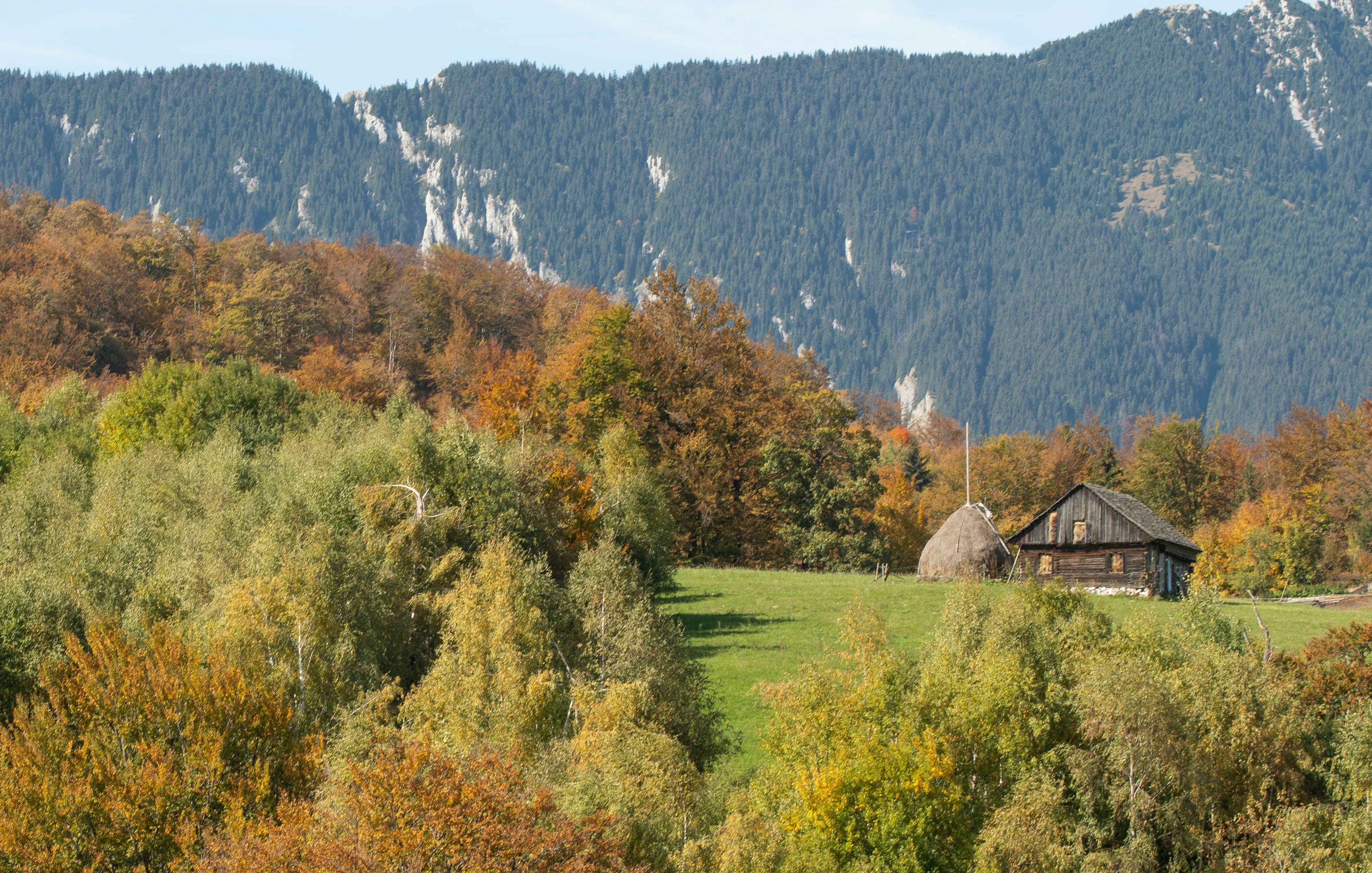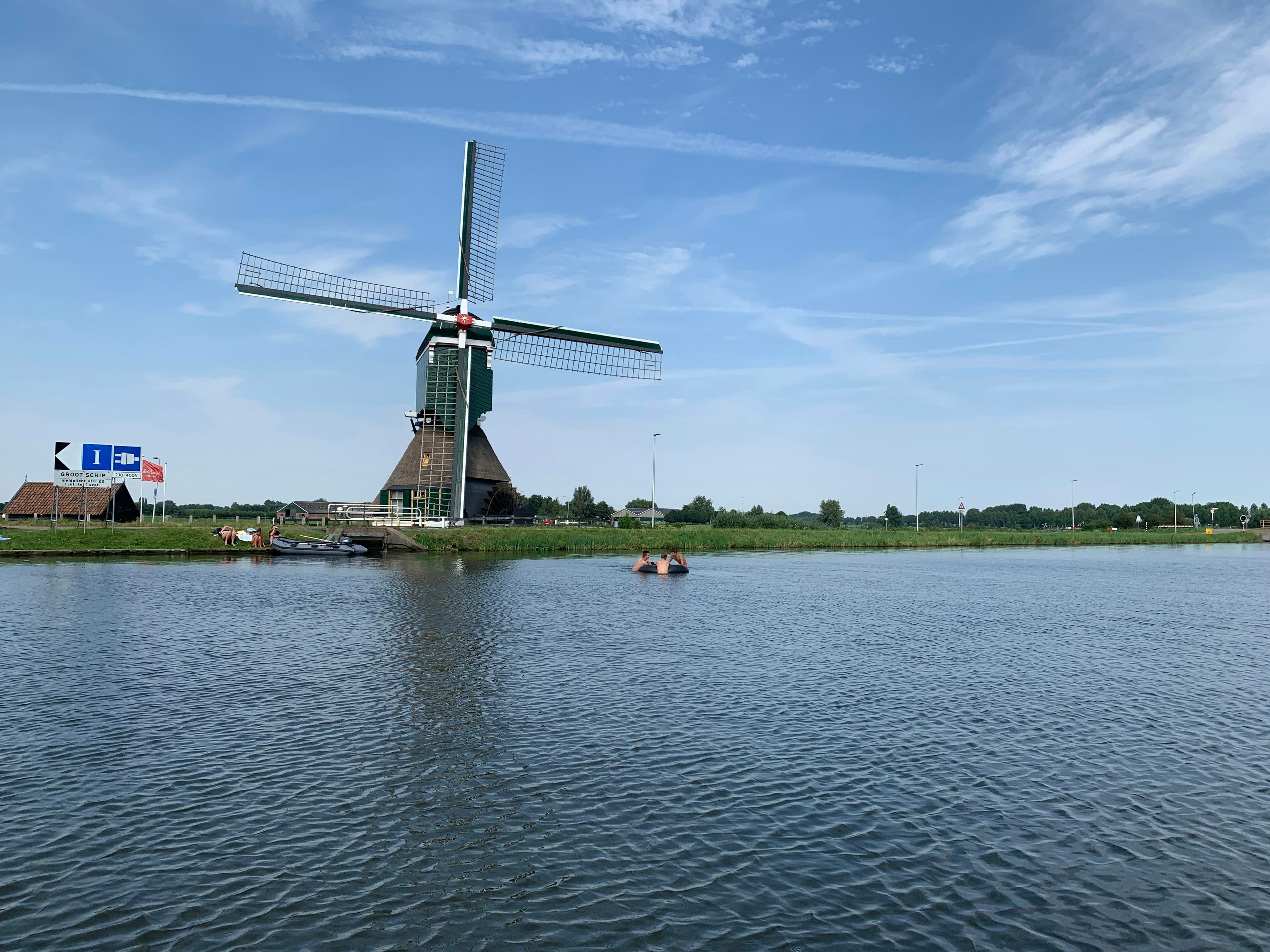
Embarking on a journey from Groningen, nestled in the flat, water-laced landscapes of the northern Netherlands, to the sun-kissed coastal city of Zadar in Croatia offers an enchanting passage through Europe's diverse tapestry of geography, history, and culture. This route begins amidst the iconic Dutch polders and canals, where the land is meticulously reclaimed from the sea, and the horizon stretches wide under expansive skies. As you travel southeast, the terrain gradually shifts from the gentle lowlands of the Netherlands and Germany into the rolling hills and dense forests of Central Europe, eventually giving way to the rugged karst landscapes and sparkling Adriatic coastline of Croatia.
Historically, this corridor traces echoes of ancient trade routes that connected the North Sea to the Mediterranean, facilitating the exchange of goods, ideas, and cultures for centuries. Groningen itself was a vital Hanseatic League member, bustling with merchants and maritime activity, while Zadar boasts a rich Roman and Venetian heritage, its streets lined with remnants of ancient forums, medieval churches, and Renaissance palaces. Along the way, travelers pass through regions that have witnessed pivotal moments—from the shifting borders of the Holy Roman Empire to the vibrant cultural exchanges of the Austro-Hungarian era.
The climate along this route transitions from the temperate maritime weather of the Netherlands, with mild summers and cool, wet winters, to the Mediterranean warmth of Dalmatia, where summers are hot and dry, and winters are mild and pleasant. The best time to undertake this journey is during late spring or early autumn, when the landscapes are lush and inviting, and the crowds are thinner, allowing for a more intimate experience of each locale.
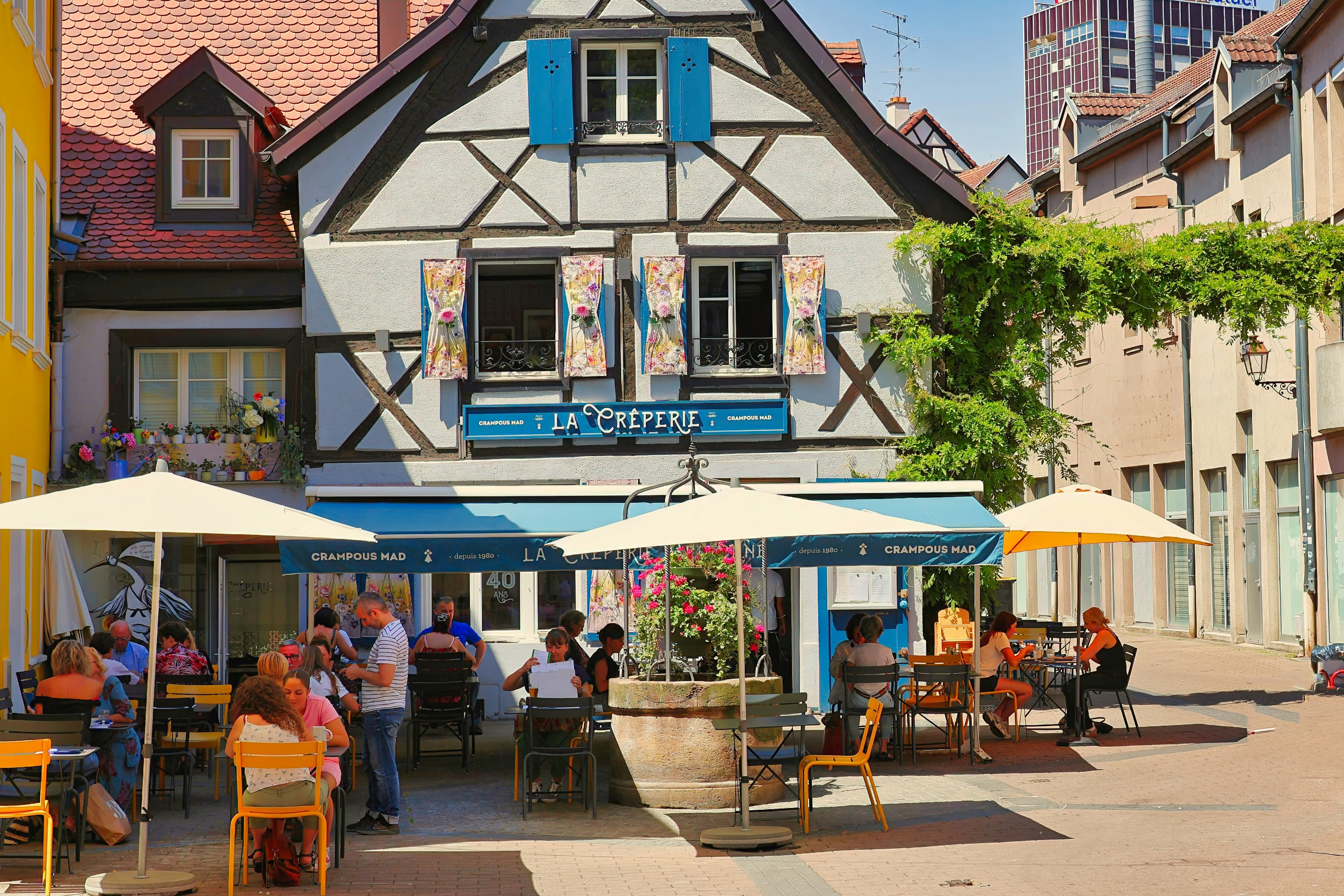
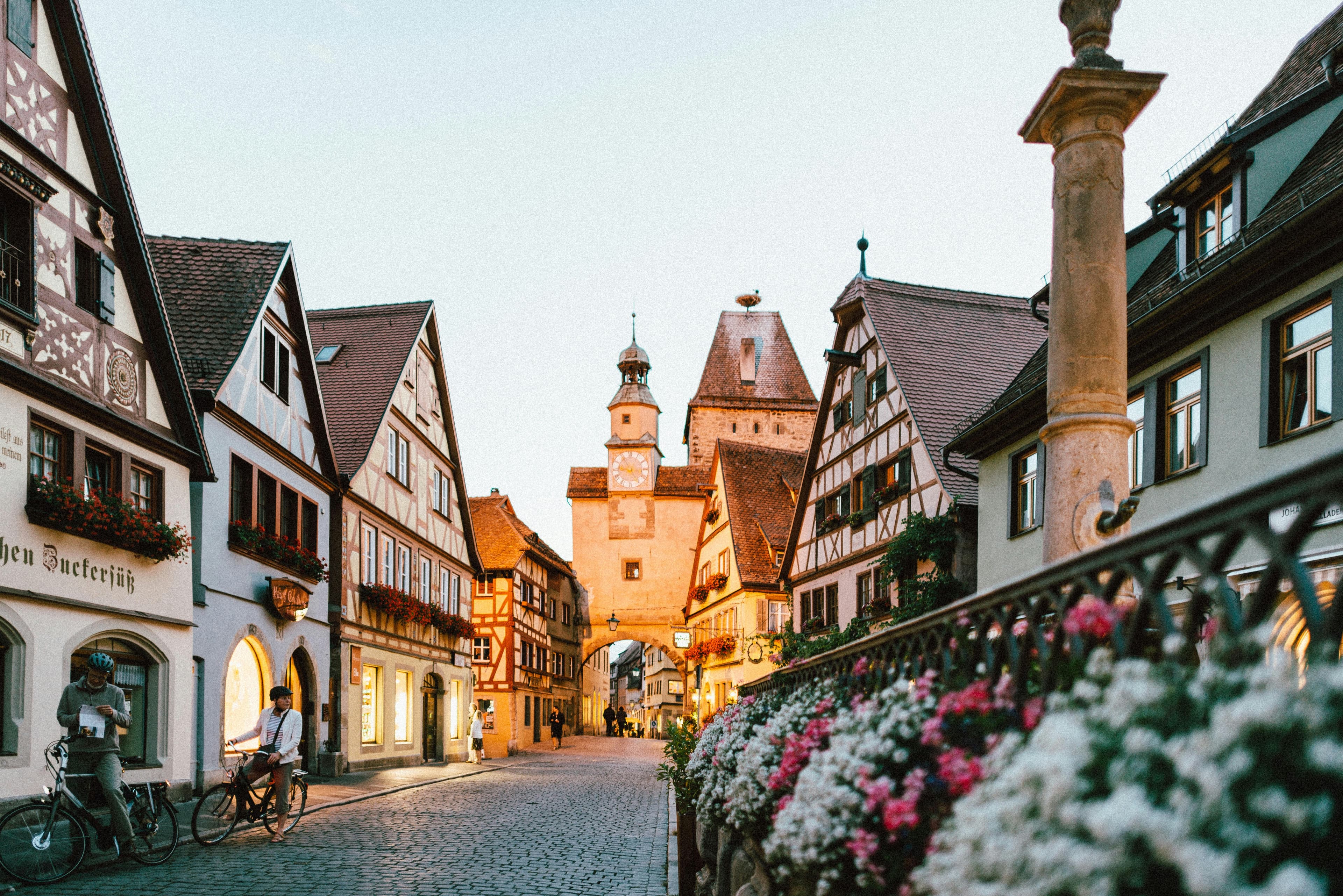
Culturally, this passage offers a feast for the senses. In the north, you'll encounter charming Dutch towns with their gabled houses and vibrant cycling culture. Moving southward, the architectural styles evolve, showcasing Germanic timber-framed villages, baroque towns, and finally, the sun-drenched stone streets of Dalmatian cities, where Mediterranean flavors, music, and traditions thrive. Local markets, festivals, and culinary delights punctuate the route, inviting travelers to immerse themselves fully in the regional way of life.
What makes this journey truly special is the seamless blend of contrasts and continuities—the meeting of northern cool with southern warmth, the interplay of water and stone, and the layers of history etched into every town and landscape. Each mile reveals a new chapter, making the trip from Groningen to Zadar not just a passage across Europe, but a vibrant adventure through time, culture, and nature.