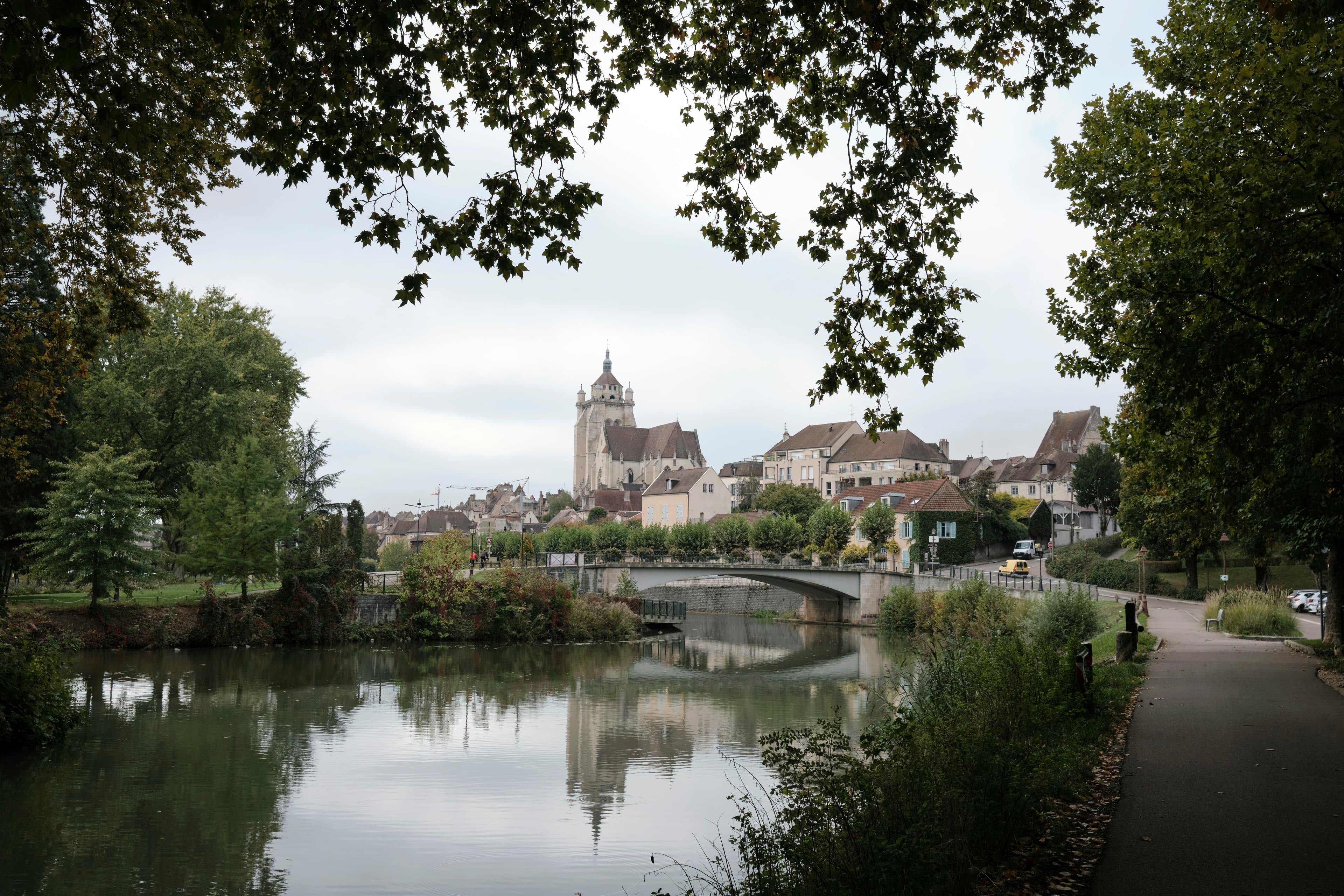
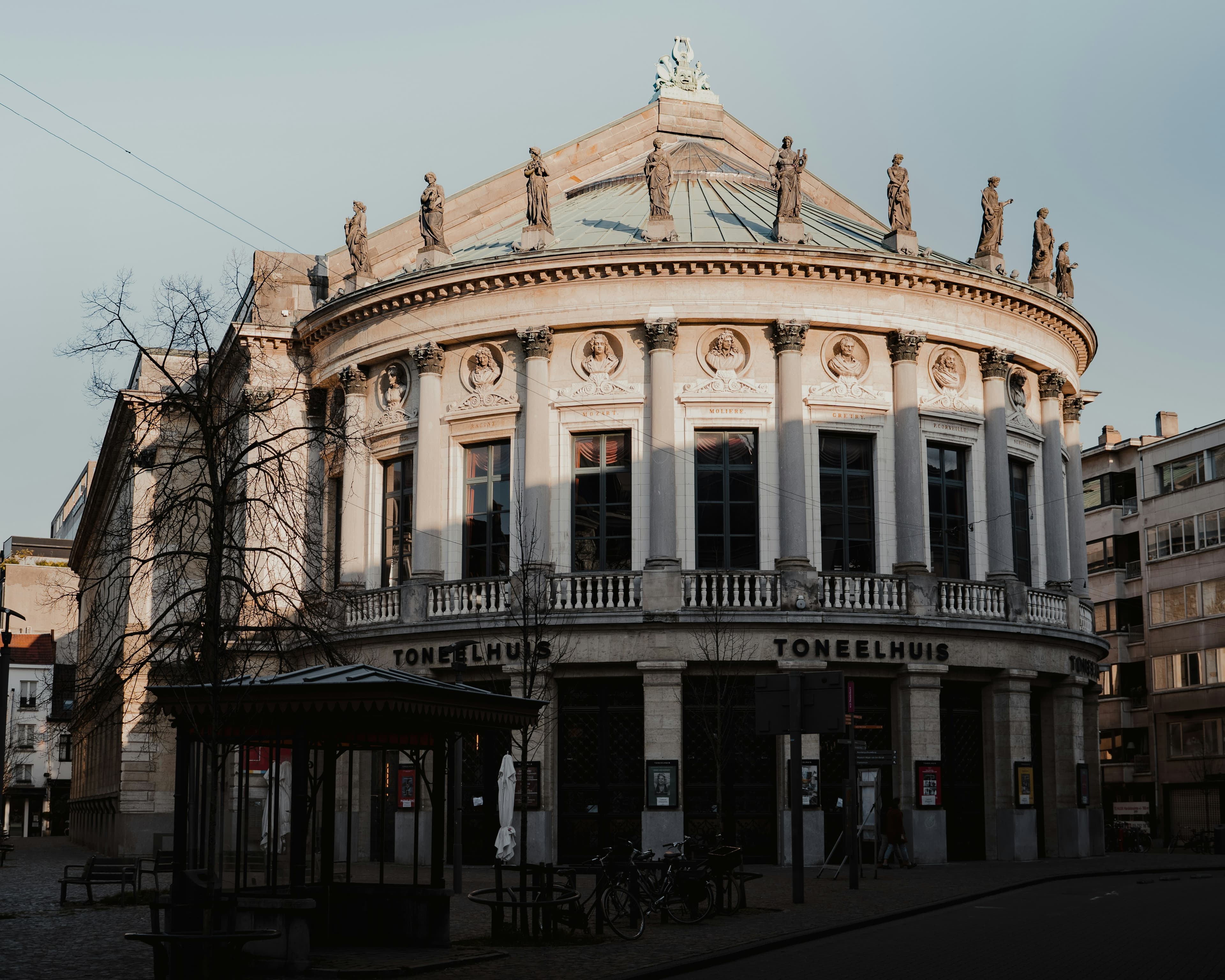
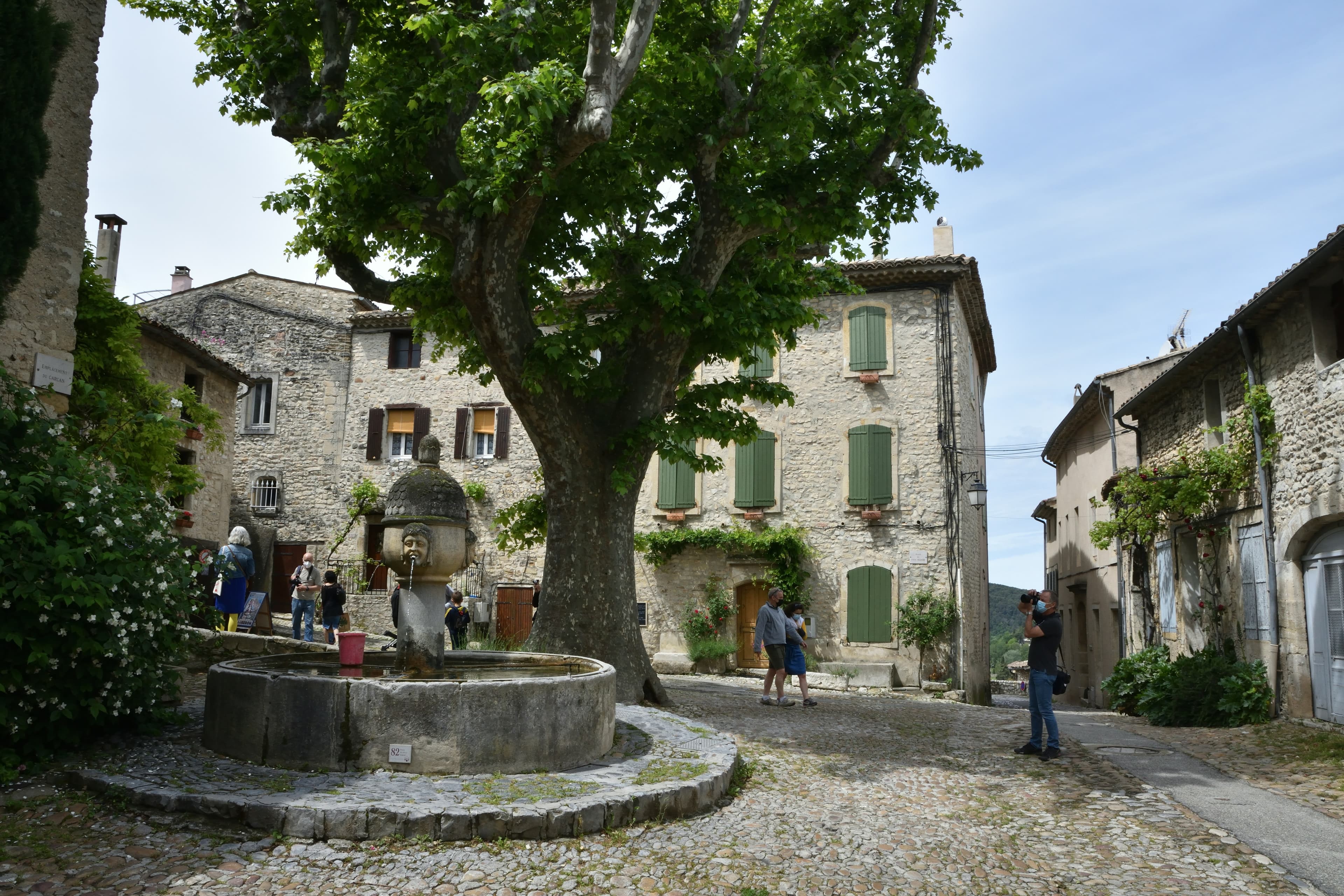
Embarking on a journey from Maastricht, nestled in the rolling hills of Limburg in the Netherlands, to the sun-drenched shores of Valencia, Spain, is an adventure that weaves through a tapestry of diverse landscapes, rich history, and vibrant cultures. Starting in Maastricht, a city famed for its medieval architecture and the serene Maas River, travelers find themselves amid gentle limestone hills and lush river valleys. As the route meanders southward, the terrain transforms from the flat, fertile plains of the Low Countries into the undulating vineyards and dense forests of Belgium and northern France, echoing centuries of trade and cultural exchange along ancient Roman roads and medieval pilgrimage paths.
Embarking on a journey from Maastricht, nestled in the rolling hills of Limburg in the Netherlands, to the sun-drenched shores of Valencia, Spain, is an adventure that weaves through a tapestry of diverse landscapes, rich history, and vibrant cultures. Starting in Maastricht, a city famed for its medieval architecture and the serene Maas River, travelers find themselves amid gentle limestone hills and lush river valleys. As the route meanders southward, the terrain transforms from the flat, fertile plains of the Low Countries into the undulating vineyards and dense forests of Belgium and northern France, echoing centuries of trade and cultural exchange along ancient Roman roads and medieval pilgrimage paths.
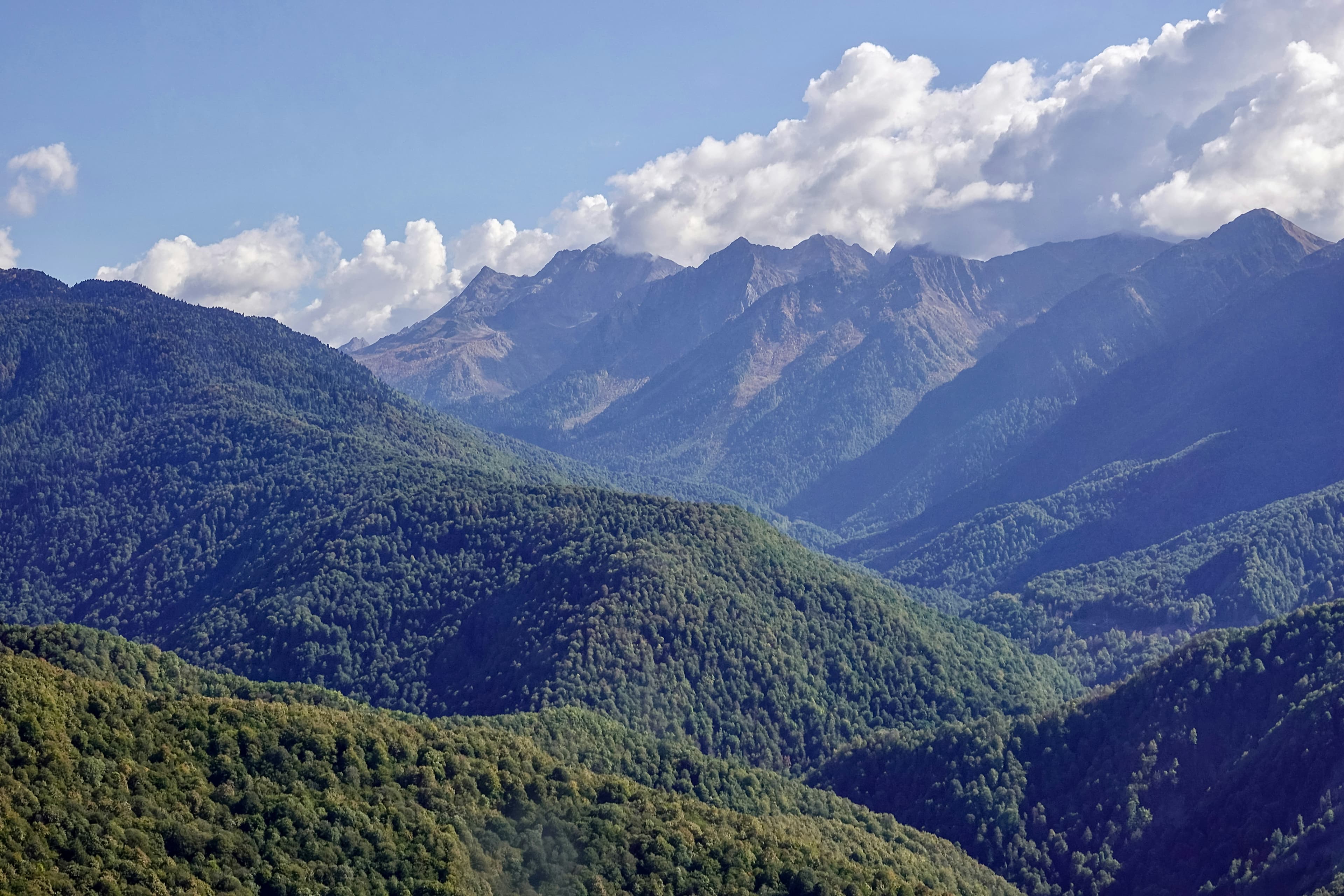
Crossing into France, the journey skirts the majestic Pyrenees, a natural border steeped in history and legend, where rugged mountain peaks give way to sunlit valleys. This region, once a critical passage for merchants and armies alike, offers glimpses of Romanesque churches and quaint villages that have preserved their charm through the ages. Descending into Spain, the landscape opens into the warm Mediterranean basin, characterized by olive groves, orange orchards, and the shimmering coastline of the Valencian Community.
Historically, this corridor has been a vital artery connecting northern Europe with the Iberian Peninsula, facilitating the flow of goods, ideas, and cultures. From Maastricht’s role in the Hanseatic League to Valencia’s prominence as a Mediterranean port city, travelers trace footsteps of traders, conquerors, and pilgrims who shaped Europe’s destiny.
The climate along this route is a delightful contrast: expect cool, crisp springs and autumns in the north, with occasional rain nurturing the verdant landscapes, while the southern stretches bask in a Mediterranean climate—hot, dry summers perfect for beach lovers and mild winters inviting exploration without the crowds. The best time to embark is late spring or early autumn, when the weather is comfortably warm and the scenery bursts with color.
Culturally, this journey is a feast for the senses. Maastricht’s blend of Dutch and Belgian influences is evident in its lively markets and historic squares, while the Pyrenean foothills showcase Catalan traditions and rustic architecture. Arriving in Valencia, travelers are greeted by a vibrant fusion of Gothic, Baroque, and modernist architecture, alongside the tantalizing aromas of paella wafting through bustling plazas.
What makes this route truly special is the seamless transition from the tranquil, historic charm of northern Europe to the passionate, sunlit vibrancy of the Mediterranean. Each mile offers new stories, flavors, and sights, making the journey not just a passage between two cities, but a rich, immersive experience that captures the heart of Europe’s diverse soul.