Embarking on a journey from Düsseldorf, nestled in the heart of North Rhine-Westphalia, Germany, to the vibrant city of Barcelona in Catalonia, Spain, offers an unforgettable tapestry of landscapes, history, and culture. As you set off, the route unfolds through the lush, rolling plains of the Rhineland, where the Rhine River carves its way through charming vineyards and medieval castles, whispering tales of centuries past. Crossing into the Ardennes, the terrain becomes more rugged and forested, a natural fortress that has witnessed countless historical battles and trade routes connecting Northern and Southern Europe.
Embarking on a journey from Düsseldorf, nestled in the heart of North Rhine-Westphalia, Germany, to the vibrant city of Barcelona in Catalonia, Spain, offers an unforgettable tapestry of landscapes, history, and culture. As you set off, the route unfolds through the lush, rolling plains of the Rhineland, where the Rhine River carves its way through charming vineyards and medieval castles, whispering tales of centuries past. Crossing into the Ardennes, the terrain becomes more rugged and forested, a natural fortress that has witnessed countless historical battles and trade routes connecting Northern and Southern Europe.
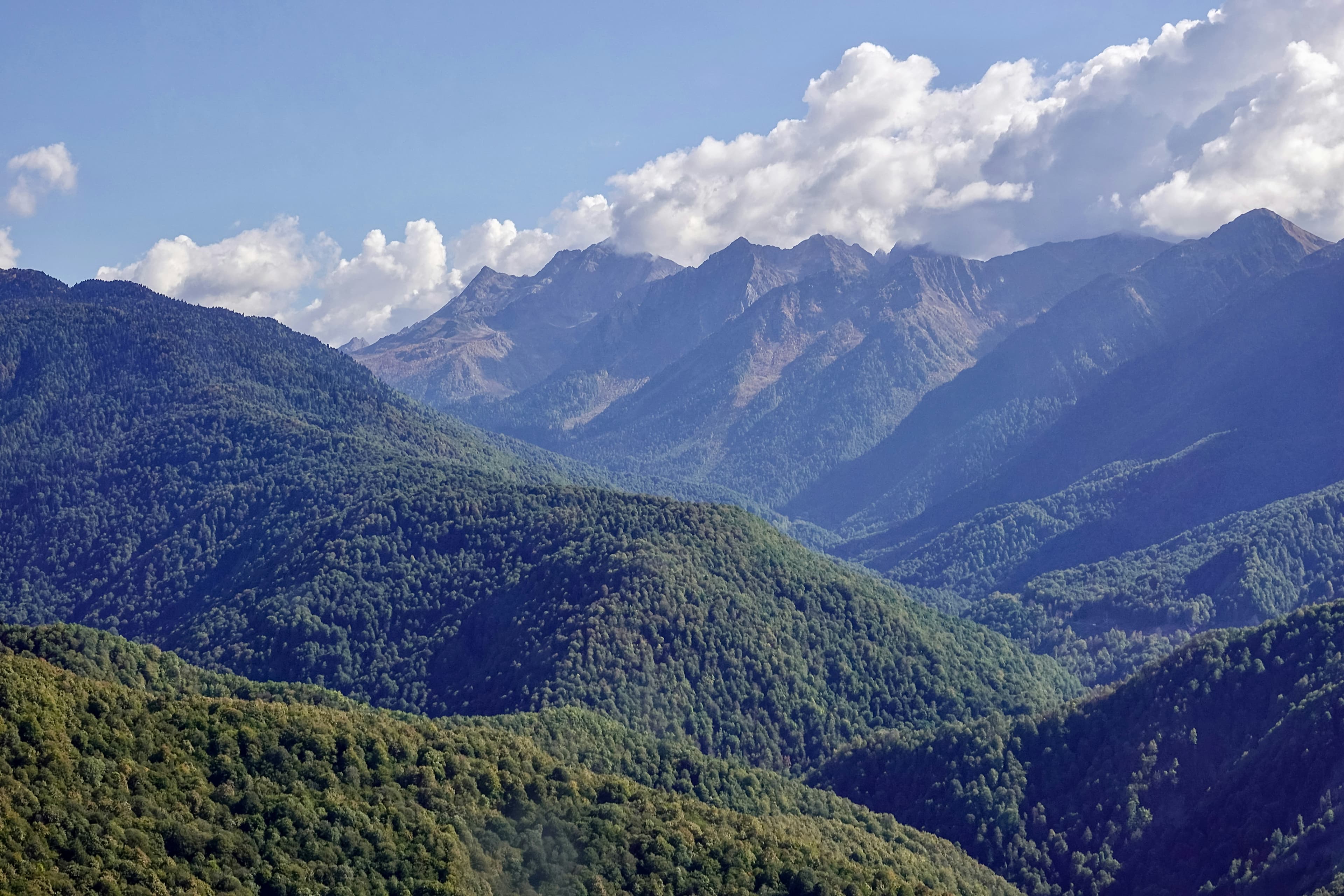
Continuing southwest, the route traverses the majestic Massif Central, a highland region dotted with ancient volcanic peaks and serene plateaus, offering breathtaking vistas and a glimpse into France’s geological past. Here, the influence of Roman roads is still evident, echoing the region’s role as a crossroads of commerce and culture. As you descend towards the Mediterranean coast, the landscape softens into sun-kissed olive groves and fragrant lavender fields, signaling the approach to Catalonia’s diverse terrain.
Historically, this corridor has been a vital artery linking the industrial heartlands of Germany with the Mediterranean’s bustling ports. From the Hanseatic League’s mercantile power in the north to the vibrant maritime trade of Barcelona, the route is steeped in stories of economic exchange and cultural fusion. The Camino de Santiago pilgrimage paths intersect nearby, adding a spiritual dimension to the journey.
Climate-wise, travelers can expect a dynamic shift: Düsseldorf’s temperate oceanic climate offers mild summers and cool winters, while Barcelona basks in a Mediterranean climate characterized by hot, dry summers and mild, wet winters. The best time to travel is spring or early autumn, when the weather is pleasantly warm, landscapes are lush, and festivals abound.
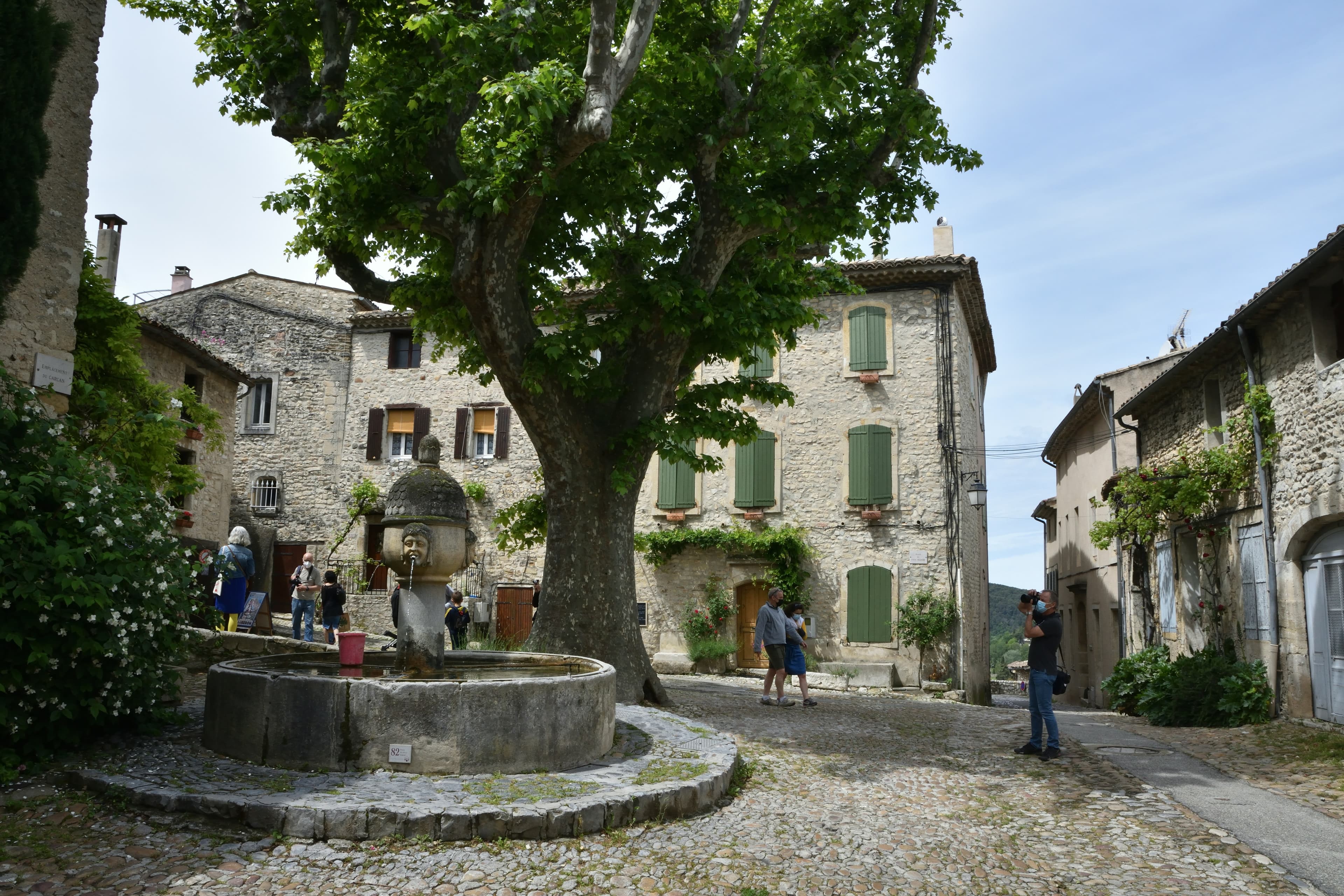
Culturally, the journey is a feast for the senses. In Düsseldorf, experience the blend of modern architecture and historic Altstadt charm, with its lively beer halls and art galleries. Crossing into France, savor the regional cuisines and quaint villages that celebrate centuries-old traditions. Finally, Barcelona dazzles with its unique Catalan identity, from Gaudí’s whimsical Modernist masterpieces to vibrant street life and passionate flamenco rhythms.
What makes this route truly special is its seamless blend of natural beauty, rich history, and vibrant cultures. Each mile traveled reveals new stories, landscapes, and flavors, inviting you to immerse yourself fully in a European adventure that bridges north and south, tradition and innovation, nature and urban life. This journey promises not just a destination, but a memorable experience etched into your heart.