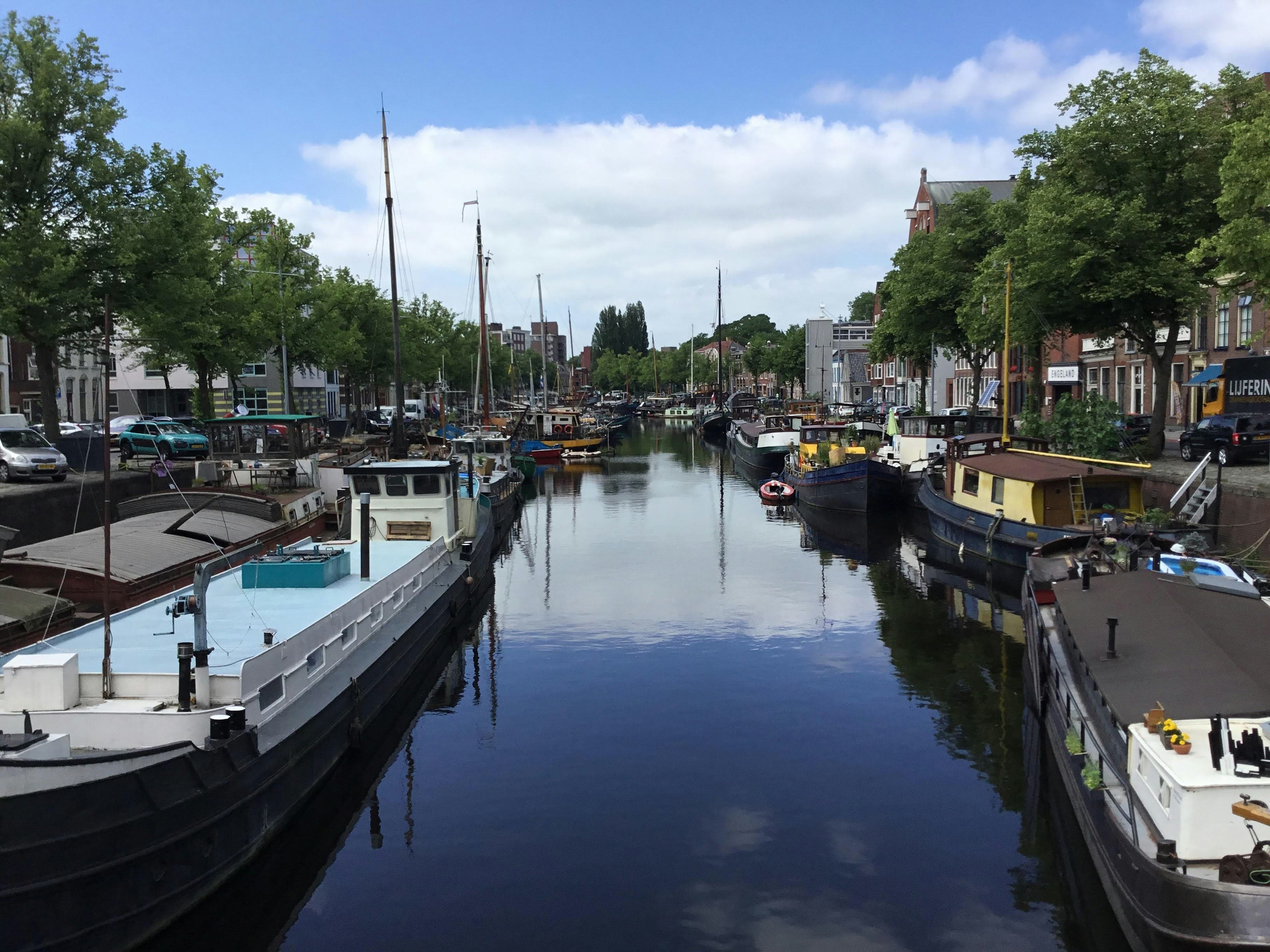
Embarking on a journey from The Hague in the Netherlands to Turin in Italy is like traversing a vibrant tapestry of Europe’s diverse landscapes, rich history, and captivating cultures. Starting in The Hague, a city known for its elegant Dutch architecture and political significance, you’ll soon leave behind the flat, intricate network of canals and polders characteristic of Zuid-Holland. As you head southeast, the terrain gradually shifts from the low-lying Dutch plains into the rolling hills and fertile farmlands of Belgium and Luxembourg, regions steeped in medieval history and dotted with charming towns that once thrived along ancient trade routes.
Embarking on a journey from The Hague in the Netherlands to Turin in Italy is like traversing a vibrant tapestry of Europe’s diverse landscapes, rich history, and captivating cultures. Starting in The Hague, a city known for its elegant Dutch architecture and political significance, you’ll soon leave behind the flat, intricate network of canals and polders characteristic of Zuid-Holland. As you head southeast, the terrain gradually shifts from the low-lying Dutch plains into the rolling hills and fertile farmlands of Belgium and Luxembourg, regions steeped in medieval history and dotted with charming towns that once thrived along ancient trade routes.
Crossing into France, the route skirts the edge of the Vosges Mountains before descending into the lush Rhine valley, a corridor that has witnessed centuries of commerce and conflict. This stretch is a living museum of European heritage, where Roman roads, medieval castles, and Renaissance architecture tell stories of empires and cultural exchange. Approaching the Alps, the landscape dramatically transforms into towering peaks and verdant valleys, heralding the gateway to Italy.
Turin, nestled in the Piedmont region at the foot of the Alps, offers a stunning contrast with its baroque palaces, grand boulevards, and vibrant café culture. Historically, this city was a crucial hub on the ancient Roman road Via Augusta and later a center of the Savoy dynasty, which played a pivotal role in Italy’s unification. The route you take echoes these layers of history, weaving through regions that have shaped European identity.
Climate-wise, the journey spans temperate maritime weather in the north, with mild summers and cool, wet winters, to the more continental and alpine climates near Turin, where summers are warm and winters can be snowy. Spring and early autumn are ideal for travel, offering comfortable temperatures and the chance to witness the stunning seasonal changes—from tulip blooms and lush green fields in the Netherlands to the golden vineyards and crisp mountain air of Piedmont.
Culturally, this route is a feast for the senses. You’ll experience Dutch pragmatism and design, Belgian and French culinary delights, and finally, the Italian passion for art, food, and conviviality. Architectural styles shift from the clean lines of Dutch modernism to the ornate Gothic and Baroque churches of France, culminating in Turin’s elegant palazzi and piazzas.
What makes this journey truly special is the seamless blend of natural beauty and human history, the gradual unfolding of Europe’s heartland through landscapes and stories. Each stop offers a new chapter, inviting travelers to immerse themselves in local traditions, savor regional flavors, and marvel at the enduring spirit of these remarkable places. Whether you’re a history buff, a nature lover, or a cultural explorer, this route promises an unforgettable adventure filled with discovery and delight.