Embarking on a journey from Santarém, nestled in the heart of Portugal’s Ribatejo region, to the bustling metropolis of Milan in Italy’s Lombardy offers an enchanting passage through some of Europe’s most captivating landscapes and rich histories. The route begins amid the fertile plains and rolling hills of central Portugal, where the Tagus River meanders gracefully, nurturing vineyards and olive groves that have thrived here for centuries. As you travel eastward, the terrain gradually shifts, crossing the rugged Iberian Meseta before entering Spain’s diverse landscapes—ranging from the lush greenery of Extremadura to the dramatic peaks of the Pyrenees, a natural border steeped in medieval lore and ancient trade routes that once connected the Iberian Peninsula to the rest of Europe.
Embarking on a journey from Santarém, nestled in the heart of Portugal’s Ribatejo region, to the bustling metropolis of Milan in Italy’s Lombardy offers an enchanting passage through some of Europe’s most captivating landscapes and rich histories. The route begins amid the fertile plains and rolling hills of central Portugal, where the Tagus River meanders gracefully, nurturing vineyards and olive groves that have thrived here for centuries. As you travel eastward, the terrain gradually shifts, crossing the rugged Iberian Meseta before entering Spain’s diverse landscapes—ranging from the lush greenery of Extremadura to the dramatic peaks of the Pyrenees, a natural border steeped in medieval lore and ancient trade routes that once connected the Iberian Peninsula to the rest of Europe.
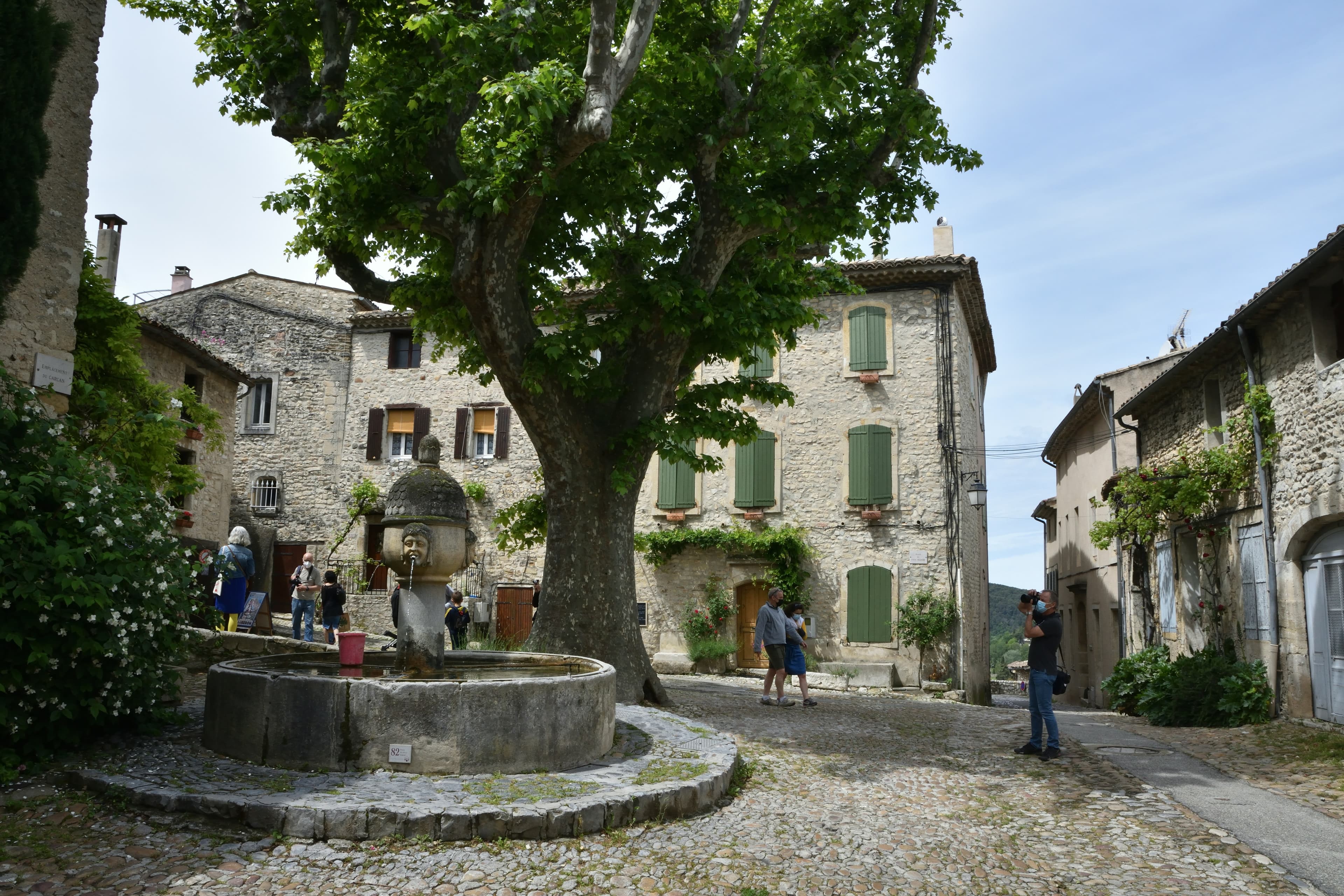
Crossing into France, the journey unfolds through the picturesque regions of Occitanie and Provence, where lavender fields, sun-drenched vineyards, and Roman ruins tell tales of a vibrant past. The Rhône Valley, with its majestic river and charming villages, offers a glimpse into centuries of commerce and culture, while the Alps rise in the distance, heralding the approach to northern Italy. Entering Lombardy, the landscape transforms into fertile plains dotted with historic towns and shimmering lakes, culminating in Milan—a city renowned for its stunning Gothic cathedral, world-class fashion, and a blend of ancient and modern architecture.
Historically, this route traces paths once trodden by merchants, pilgrims, and conquerors. From the Roman roads that linked the Iberian Peninsula to the heart of the empire, to the medieval trade routes that facilitated the exchange of silk, spices, and art, each region along the way is steeped in stories that enrich the travel experience.
Climate-wise, the journey offers a tapestry of weather patterns. Santarém enjoys a Mediterranean climate with hot, dry summers and mild winters, ideal for spring and early autumn travel when the landscapes are lush and the temperatures comfortable. As you move east and north, expect cooler mountain air in the Pyrenees and Alps, with potential snow in winter, while Milan experiences warm summers and chilly winters. The best time to embark on this adventure is late spring through early autumn, when the weather is most inviting and the cultural festivals abound.
Culturally, travelers will be enchanted by the diverse traditions encountered along the way—from Portugal’s soulful Fado music and azulejo-tiled architecture to Spain’s flamenco rhythms and medieval castles, France’s Provençal markets and Romanesque churches, and Italy’s Renaissance art and vibrant street life. Each stop offers a feast for the senses, with local cuisines, artisanal crafts, and warm hospitality.
What makes this journey truly special is its seamless blend of natural beauty, historical depth, and cultural richness. It’s a route that invites exploration and reflection, promising unforgettable vistas, charming encounters, and a profound connection to the heart of Europe’s heritage. Whether traveling by car, train, or bike, the passage from Santarém to Milan is not just a trip—it’s an immersive adventure through time, terrain, and tradition.