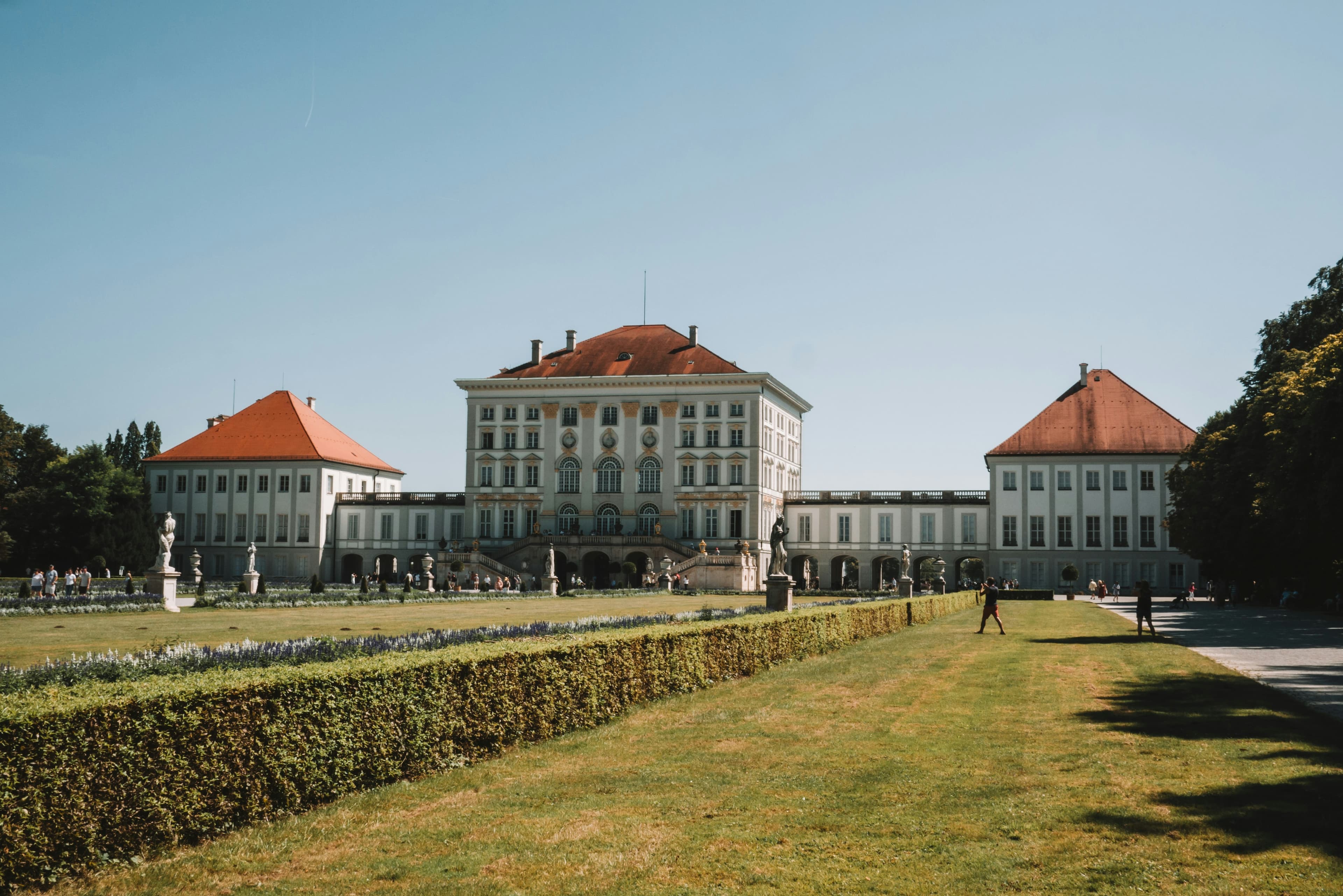
Embarking on a journey from Basel, Switzerland, to Krapina in Croatia’s Krapina-Zagorje County offers a captivating passage through the heart of Central Europe, where landscapes, history, and culture intertwine beautifully. Starting in Basel, nestled on the banks of the Rhine River where Switzerland, France, and Germany converge, travelers are greeted by a city rich in medieval charm and vibrant modernity. As you leave the urban bustle, the route unfolds through the rolling foothills of the Jura Mountains, a region marked by lush forests and gentle vineyards that hint at the area's longstanding agricultural traditions.
Embarking on a journey from Basel, Switzerland, to Krapina in Croatia’s Krapina-Zagorje County offers a captivating passage through the heart of Central Europe, where landscapes, history, and culture intertwine beautifully. Starting in Basel, nestled on the banks of the Rhine River where Switzerland, France, and Germany converge, travelers are greeted by a city rich in medieval charm and vibrant modernity. As you leave the urban bustle, the route unfolds through the rolling foothills of the Jura Mountains, a region marked by lush forests and gentle vineyards that hint at the area's longstanding agricultural traditions.
Crossing into southern Germany, the terrain transitions to the fertile plains of Baden-Württemberg, dotted with quaint villages and historic towns that once thrived along ancient trade routes connecting northern and southern Europe. This corridor was a vital artery during the Roman Empire and later during the Middle Ages, where merchants and pilgrims alike traversed these paths, leaving behind a tapestry of castles, monasteries, and fortified towns that whisper stories of bygone eras.
Continuing southeast, the landscape gradually shifts as you approach the Croatian border, revealing the picturesque hills and valleys of the Zagorje region. Known for its rolling green hills, thermal springs, and charming baroque architecture, Krapina offers a warm welcome with its rich cultural heritage and the famous Neanderthal Museum, celebrating one of the most significant prehistoric discoveries in Europe.
The climate along this route varies from the temperate oceanic influences in Basel, with mild summers and cool winters, to the more continental climate of northern Croatia, where warm summers and snowy winters create distinct seasonal moods. The best time to travel is late spring through early autumn, when the landscapes are lush, and outdoor explorations are most enjoyable.
Culturally, this journey is a feast for the senses. From Basel’s vibrant art scene and historic old town to the traditional Croatian folk music, hearty cuisine, and welcoming hospitality of Zagorje, travelers will find themselves immersed in diverse traditions and architectural styles—from Gothic and Renaissance to Baroque and modern influences.
What makes this route truly special is the seamless blend of natural beauty, historical depth, and cultural richness. Each mile offers new discoveries, whether it’s a hidden castle perched atop a hill, a bustling market square alive with local crafts, or the serene countryside inviting you to pause and savor the moment. This journey is not just a transfer from point A to B—it’s an invitation to experience the soul of Central Europe in all its vibrant, timeless glory.