Embarking on the journey from Pamplona, nestled in the lush, rolling hills of Navarre, Spain, to Chur, the oldest city in Switzerland’s mountainous Graubünden canton, is like stepping through a living tapestry of Europe’s diverse landscapes and rich histories. This route sweeps you from the gentle vineyards and medieval charm of northern Spain, across the rugged spine of the Pyrenees, and into the dramatic Alpine terrain that defines eastern Switzerland.
Embarking on the journey from Pamplona, nestled in the lush, rolling hills of Navarre, Spain, to Chur, the oldest city in Switzerland’s mountainous Graubünden canton, is like stepping through a living tapestry of Europe’s diverse landscapes and rich histories. This route sweeps you from the gentle vineyards and medieval charm of northern Spain, across the rugged spine of the Pyrenees, and into the dramatic Alpine terrain that defines eastern Switzerland.
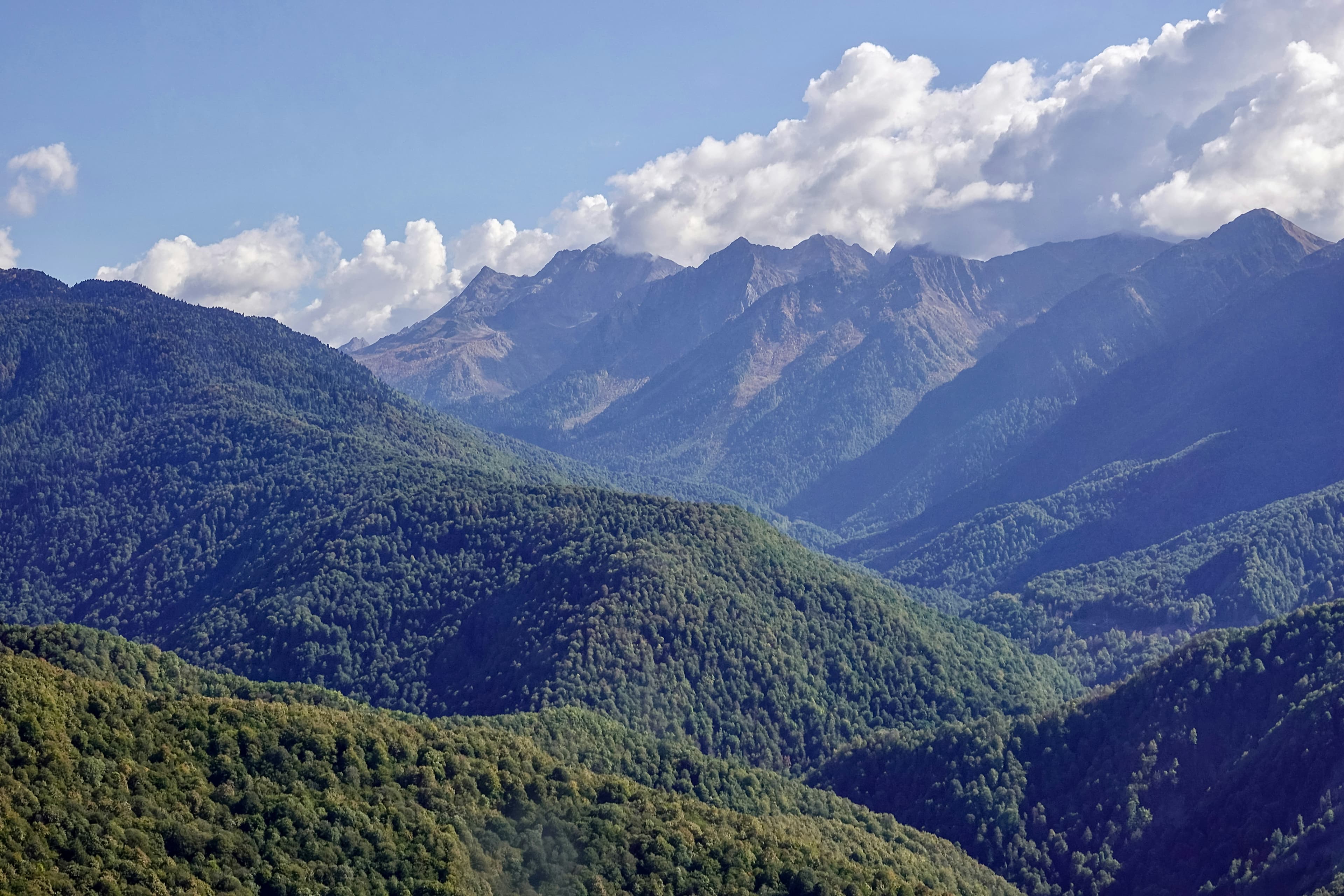
Geographically, you begin amid the green, undulating valleys and fortified walls of Pamplona, famous for its annual San Fermín festival. As you head northeast, the terrain transforms dramatically; the Pyrenees rise sharply, their jagged peaks and deep gorges offering breathtaking vistas and a sense of wild, untamed nature. Crossing into France and then Switzerland, the landscape shifts again—here, the towering Alps dominate, with snow-capped summits, crystal-clear mountain lakes, and dense coniferous forests that invite exploration.
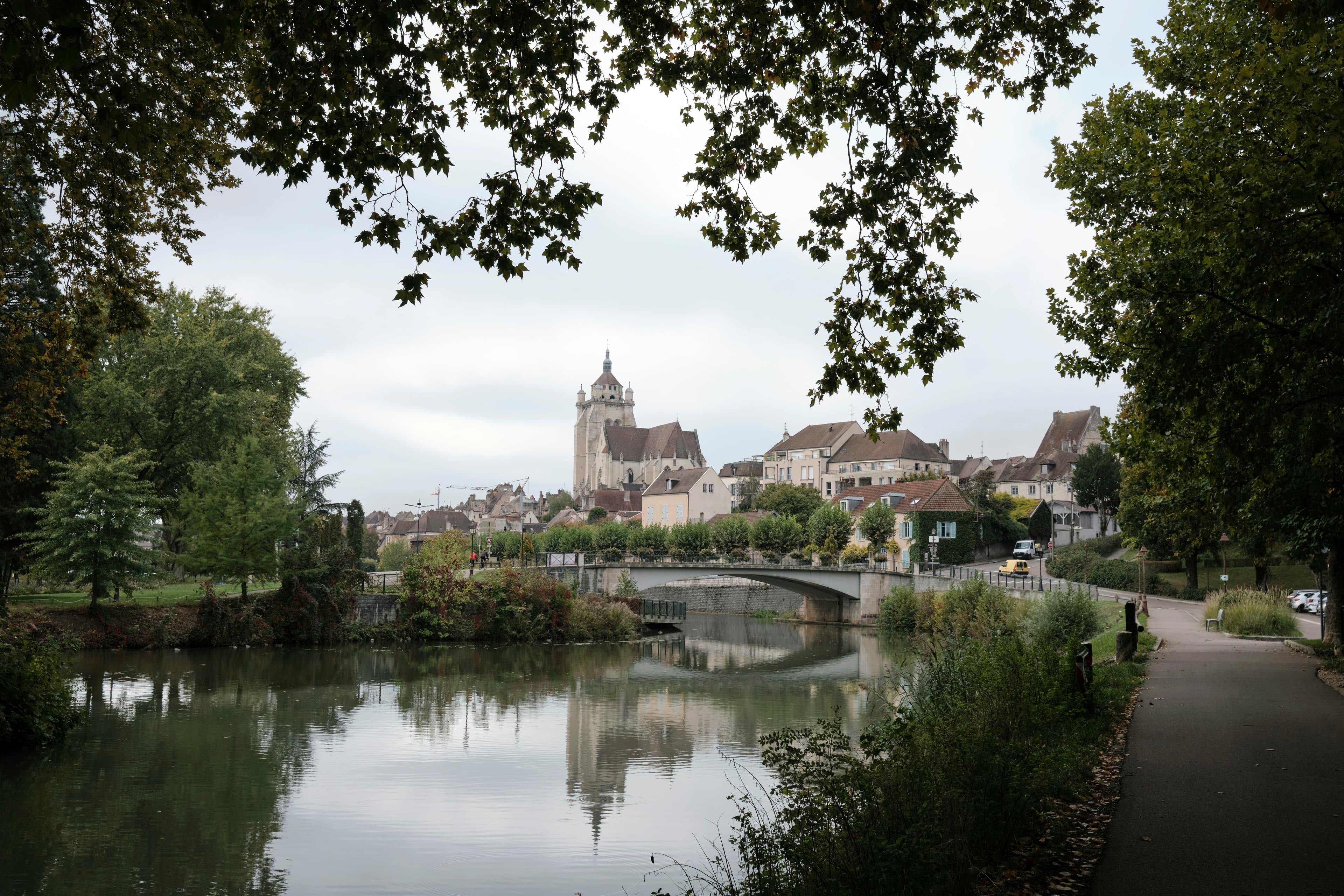
Historically, this corridor has been a vital artery for trade and cultural exchange. Pamplona itself was a key stop on the ancient pilgrimage route of the Camino de Santiago, while the mountain passes you traverse have witnessed centuries of movement—from Roman legions to medieval merchants and modern travelers. The route echoes stories of resilience and connection, linking the Iberian Peninsula with the heart of Europe.
Climate-wise, the journey offers a delightful contrast. Pamplona enjoys a mild oceanic climate, with warm summers perfect for outdoor festivals and cool, wet winters. As you ascend into the mountains, expect cooler temperatures and variable weather; spring and early autumn bring crisp air and vibrant foliage, while summer offers pleasant hiking conditions. Winter transforms the Alps into a snowy wonderland, ideal for winter sports but challenging for travel. The best time to embark is late spring to early autumn when the weather is most accommodating and the landscapes are at their most vivid.
Culturally, this route is a feast for the senses. In Navarre, you’ll encounter a blend of Basque and Spanish influences, reflected in the local cuisine, lively festivals, and Romanesque architecture. Crossing into Switzerland, the cultural tapestry becomes even richer, with Romansh traditions in Graubünden, charming alpine villages, and a harmonious blend of Germanic and Romance languages and customs.
What makes this journey truly special is its seamless blend of nature, history, and culture. Each mile reveals new stories etched in stone, new flavors to savor, and new panoramas to behold. Whether you’re wandering through the ancient streets of Pamplona, trekking the high mountain passes, or exploring the quaint alleys of Chur, this route promises an unforgettable adventure that connects you deeply with Europe’s heart and soul.