Embarking on a journey from Strasbourg in France's Grand Est region to Santander on Spain's northern coast is an invitation to traverse a tapestry of diverse landscapes, rich history, and vibrant cultures. Your route begins in Strasbourg, a city where the gentle flow of the Rhine River meets the rolling plains of the Alsace region, renowned for its half-timbered houses and Gothic cathedral that whisper tales of medieval Europe. As you head southwest, the terrain gradually shifts, guiding you through the undulating foothills of the Vosges Mountains, their forested slopes a haven for nature lovers and a reminder of the region's ancient past.
Embarking on a journey from Strasbourg in France's Grand Est region to Santander on Spain's northern coast is an invitation to traverse a tapestry of diverse landscapes, rich history, and vibrant cultures. Your route begins in Strasbourg, a city where the gentle flow of the Rhine River meets the rolling plains of the Alsace region, renowned for its half-timbered houses and Gothic cathedral that whisper tales of medieval Europe. As you head southwest, the terrain gradually shifts, guiding you through the undulating foothills of the Vosges Mountains, their forested slopes a haven for nature lovers and a reminder of the region's ancient past.
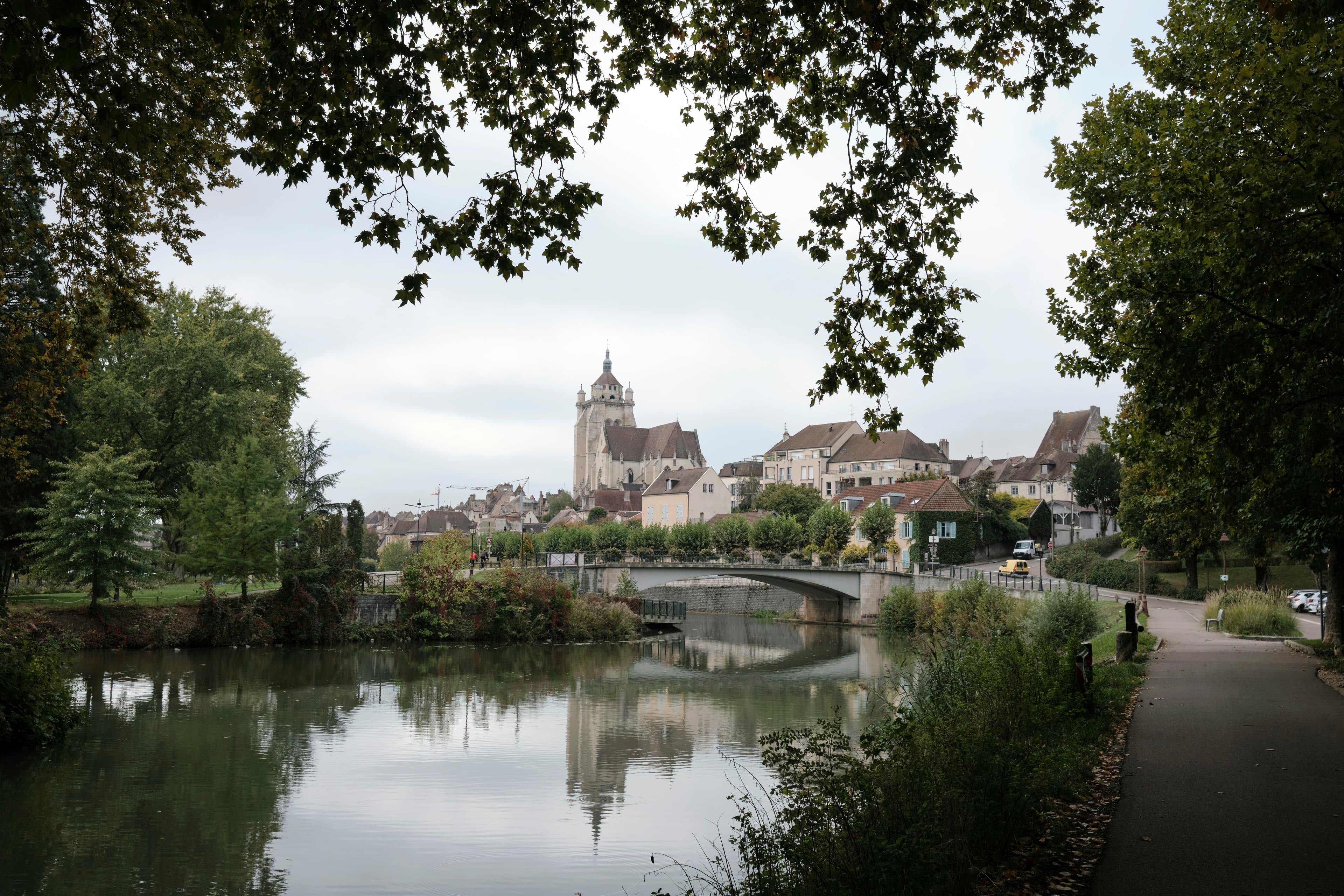
Crossing into the heart of France, you’ll encounter the lush expanses of the Burgundy and Franche-Comté regions, areas steeped in history as crossroads of Roman roads and medieval trade routes. Vineyards stretch across the landscape here, producing some of the world’s finest wines, while quaint villages showcase traditional stone architecture and lively markets that celebrate local gastronomy and crafts.
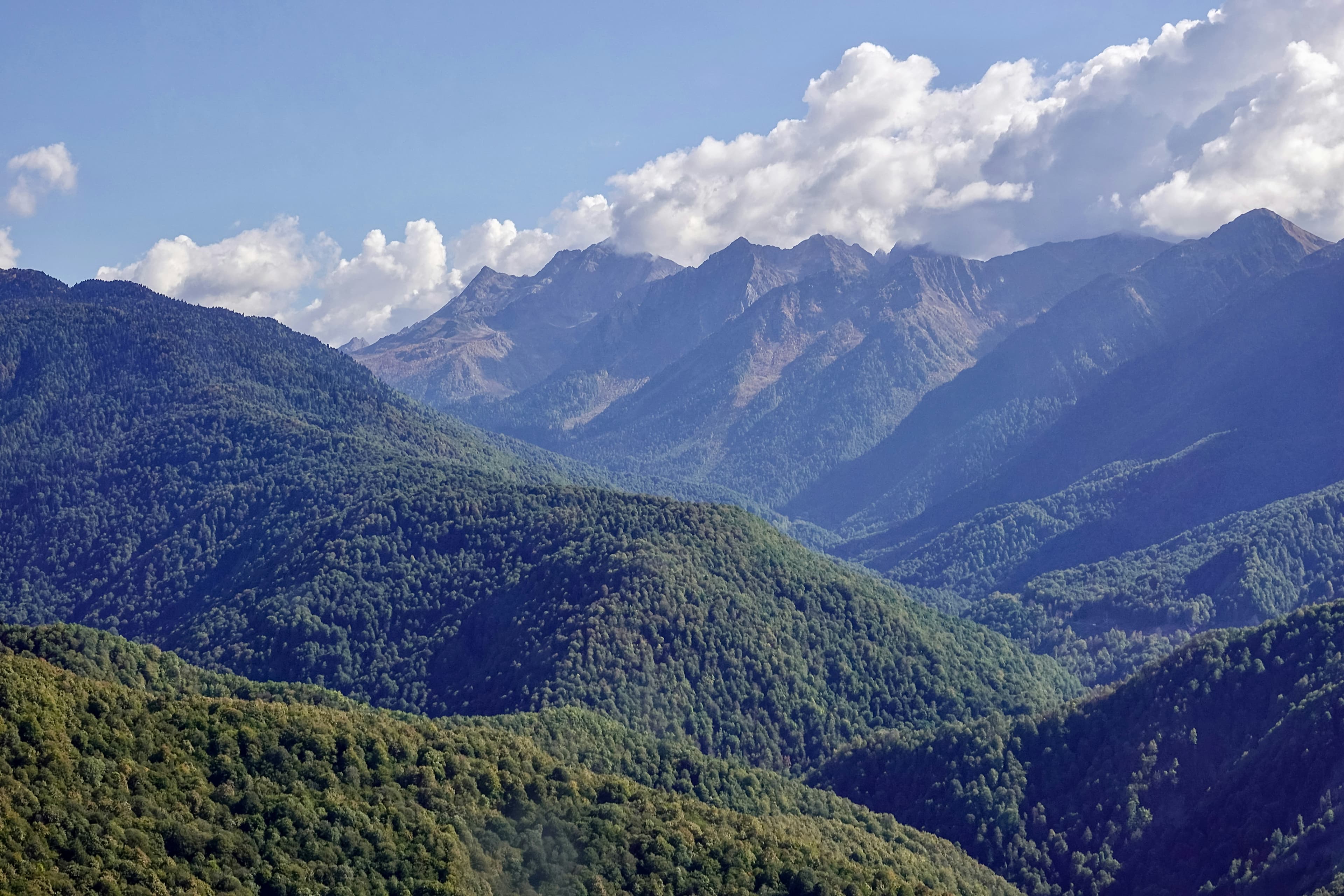
Further along, the route skirts the majestic Pyrenees, a natural border between France and Spain, where rugged peaks and deep valleys tell stories of centuries-old shepherding cultures and legendary mountain passes. Descending into Spain’s Cantabria region, the terrain softens into verdant coastal plains, punctuated by dramatic cliffs and sandy beaches along the Bay of Biscay.
Historically, this corridor has been a conduit for commerce and culture, linking the Germanic heartlands with the Iberian Peninsula. From Roman legions to medieval pilgrims, countless travelers have journeyed these paths, leaving behind a mosaic of castles, monasteries, and ancient roads.
Climate-wise, expect a continental influence in Strasbourg with cold winters and warm summers, transitioning to a more temperate oceanic climate as you approach Santander, where mild, rainy winters and cool summers prevail. The best times to travel are late spring through early autumn, when the weather is inviting and the landscapes burst with color.
Culturally, this route is a feast for the senses. In Strasbourg, savor Alsatian cuisine and the blend of French and German traditions. Moving south, indulge in Burgundy’s culinary delights and the warm hospitality of rural France. Finally, in Cantabria, embrace the maritime heritage, lively festivals, and distinctive Cantabrian architecture characterized by stone houses with wooden balconies.
What makes this journey truly special is the seamless blend of natural beauty, historical depth, and cultural richness. Each mile unfolds new stories and stunning vistas, making the trip from Strasbourg to Santander not just a passage between two cities, but a memorable adventure through the heart of Western Europe’s diverse heritage.