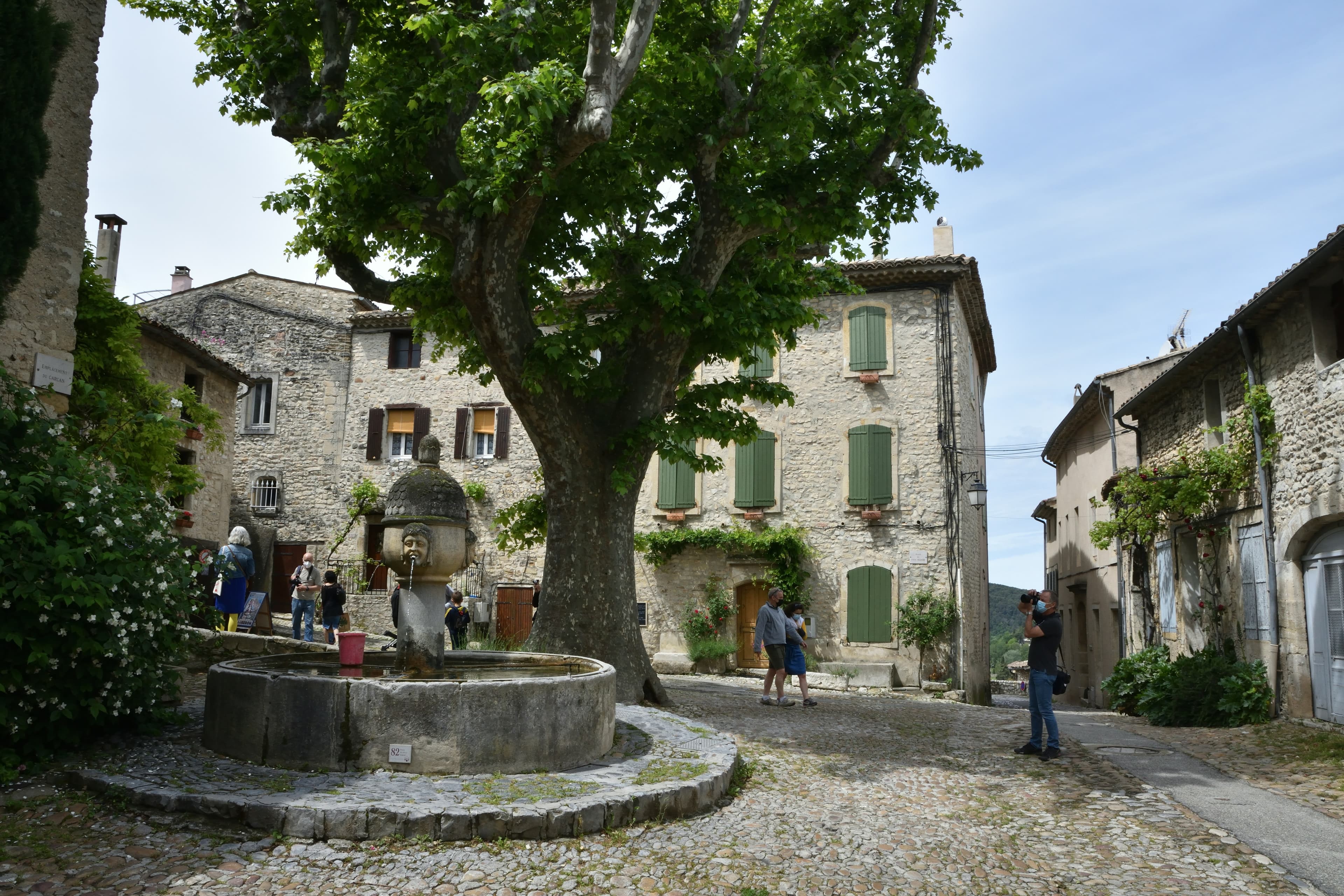
Embarking on a journey from Toledo, the historic heart of Castile-La Mancha, Spain, to the sun-kissed shores of Cagliari, Sardinia, Italy, is an adventure that weaves together rich landscapes, deep history, and vibrant cultures. Starting in Toledo, perched atop a hill overlooking the Tagus River, travelers are greeted by a tapestry of medieval architecture, narrow winding streets, and the echoes of centuries-old coexistence among Christian, Muslim, and Jewish communities. As you leave the rugged Meseta Central plateau, the route unfolds through rolling plains dotted with olive groves and vineyards, a testament to Spain's agricultural heritage.
Embarking on a journey from Toledo, the historic heart of Castile-La Mancha, Spain, to the sun-kissed shores of Cagliari, Sardinia, Italy, is an adventure that weaves together rich landscapes, deep history, and vibrant cultures. Starting in Toledo, perched atop a hill overlooking the Tagus River, travelers are greeted by a tapestry of medieval architecture, narrow winding streets, and the echoes of centuries-old coexistence among Christian, Muslim, and Jewish communities. As you leave the rugged Meseta Central plateau, the route unfolds through rolling plains dotted with olive groves and vineyards, a testament to Spain's agricultural heritage.
Crossing the Mediterranean Sea, the journey continues onto Sardinia, an island where rugged mountains meet turquoise waters. The terrain shifts dramatically—from the dry, sun-baked expanses of central Spain to the lush, Mediterranean landscapes of Sardinia, characterized by fragrant pine forests and dramatic limestone cliffs. Along the way, you traverse regions that were once vital arteries of ancient trade, including the Roman roads that connected the Iberian Peninsula with the broader Mediterranean world, and maritime routes that linked Sardinia to Phoenician and later Roman civilizations.
Historically, this route is steeped in stories of conquest, commerce, and cultural exchange. Toledo itself was a melting pot during the Middle Ages, famed for its sword-making and as a center of translation that preserved classical knowledge. Sardinia’s capital, Cagliari, boasts a rich past as a Phoenician settlement and later a strategic Roman port, with its Castello district offering panoramic views and medieval charm.
The climate along this route is quintessentially Mediterranean—hot, dry summers and mild, wet winters. The best time to travel is spring or early autumn when the weather is pleasantly warm, the landscapes burst with wildflowers, and the crowds are thinner. Expect golden sunshine, refreshing sea breezes upon reaching Sardinia, and the occasional aromatic scent of rosemary and thyme carried on the wind.
Culturally, this journey is a feast for the senses. From Toledo’s intricate Mudéjar architecture and lively tapas bars to Sardinia’s unique Nuragic ruins and vibrant festivals celebrating local traditions, travelers will immerse themselves in a blend of European influences and island charm. The route invites exploration of bustling markets, ancient cathedrals, and seaside promenades where history and modern life intertwine.
What makes this journey truly special is the seamless transition from Spain’s historic heartland to Sardinia’s island paradise, offering an evocative blend of landscapes, stories, and cultures. It’s a voyage that promises discovery at every turn—whether wandering Toledo’s storied streets or savoring fresh seafood in Cagliari’s harbor—making it an unforgettable adventure for any traveler seeking to connect with the soul of the Mediterranean.